
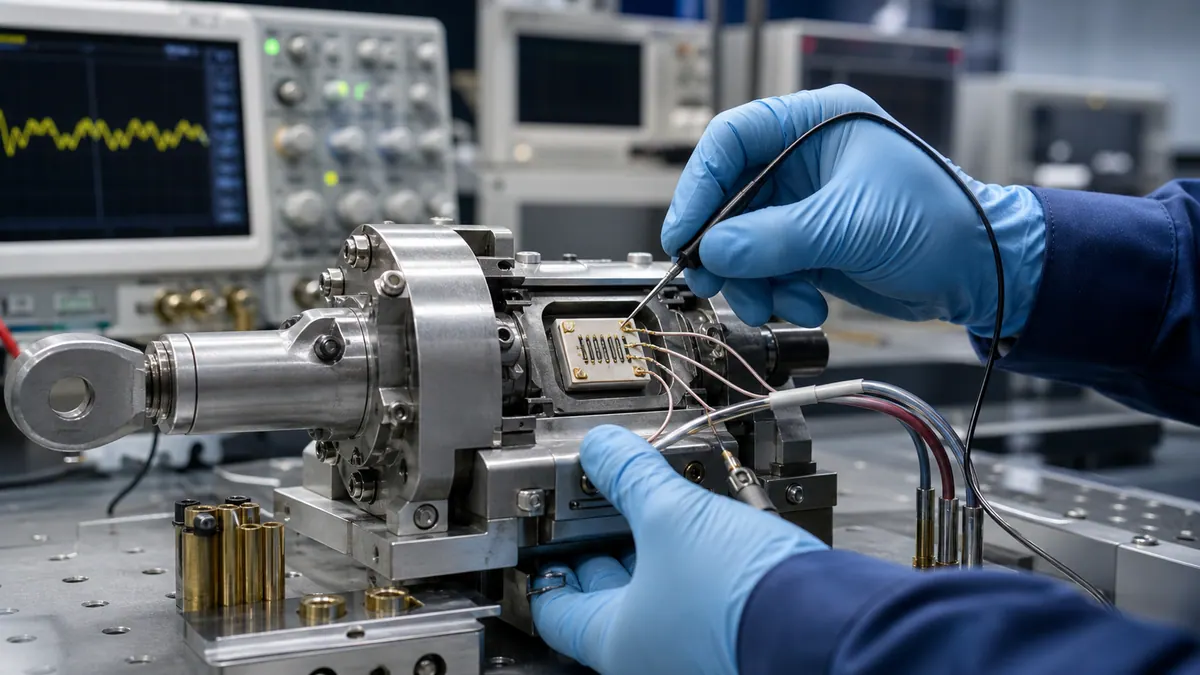
A capability matrix helps buyers compare thick film circuit options before sending drawings. Instead of describing every product with one generic phrase, it separates substrate material, printed layer, process route, product type, and inspection requirement.
Substrate options
| Substrate | Typical thick film use | Main review point |
|---|---|---|
| Alumina ceramic | Sensor circuits, resistor networks, hybrid circuits, ceramic PCB. | Cost-effective ceramic base with stable insulation and mature firing process. |
| Aluminum nitride | Power modules, LED thermal substrates, high heat flux ceramic circuits. | Thermal path, metallization, bonding method, and cost target. |
| Stainless steel | Thick film heating plates, tubular heaters, appliance and industrial heaters. | Dielectric insulation, voltage withstand, corrosion exposure, and heat profile. |
| Aluminum plate | Lightweight heater modules and heat spreading products. | Insulation layer and thermal expansion behavior. |
| PI flexible film | Flexible heaters, flexible resistors, compact sensor strips. | Bending radius, temperature limit, adhesive or mounting method. |
Printed functional layers
- Conductive layers: silver, silver-palladium, gold, or project-specific conductor systems.
- Resistive layers: fixed resistor, sensor track, heater pattern, or custom resistance curve.
- Dielectric and insulation layers: crossover, protection, voltage isolation, and heater insulation.
- Protective glass or overcoat: wear protection, environmental resistance, and surface control.
Product families
Chipsimple can review custom thick film PCB, ceramic sensor board, printed resistor, fuel level sensor circuit, throttle position sensor resistor, stainless steel heater, aluminum heater, PI flexible heater, AlN gold paste circuit, and hybrid ceramic circuit requirements.
RFQ information
Send drawing files, material preference, substrate size and thickness, printed layers, target resistance or power, tolerance, voltage, working temperature, environment, prototype quantity, and annual volume.