
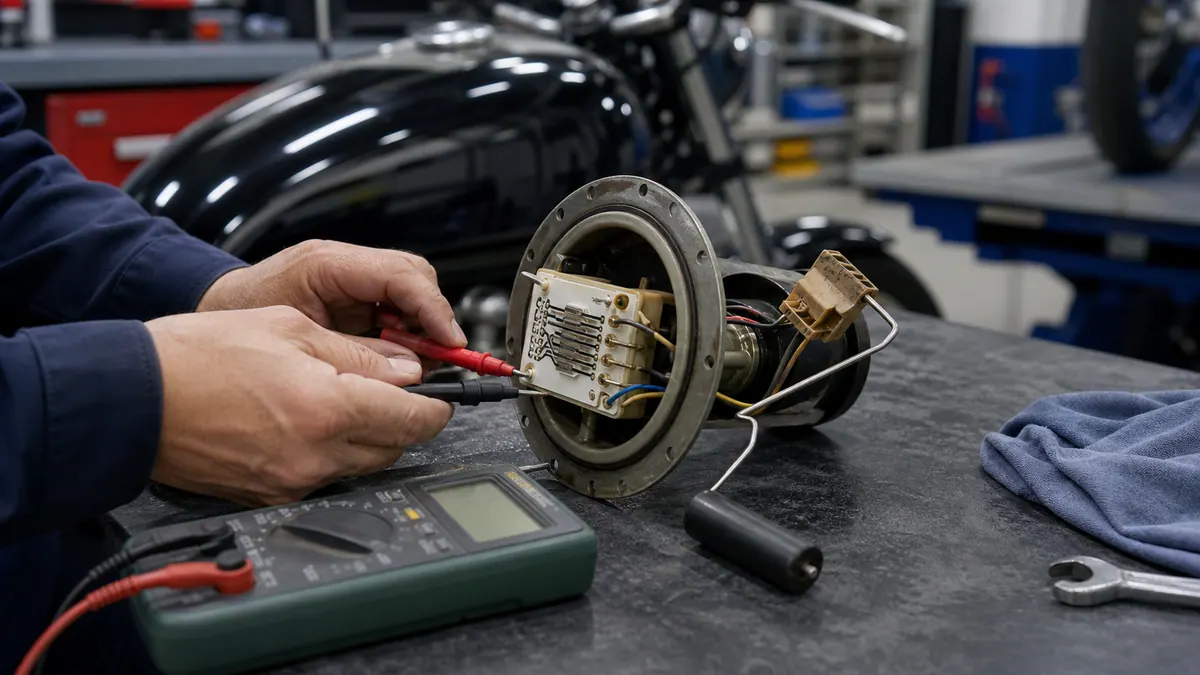
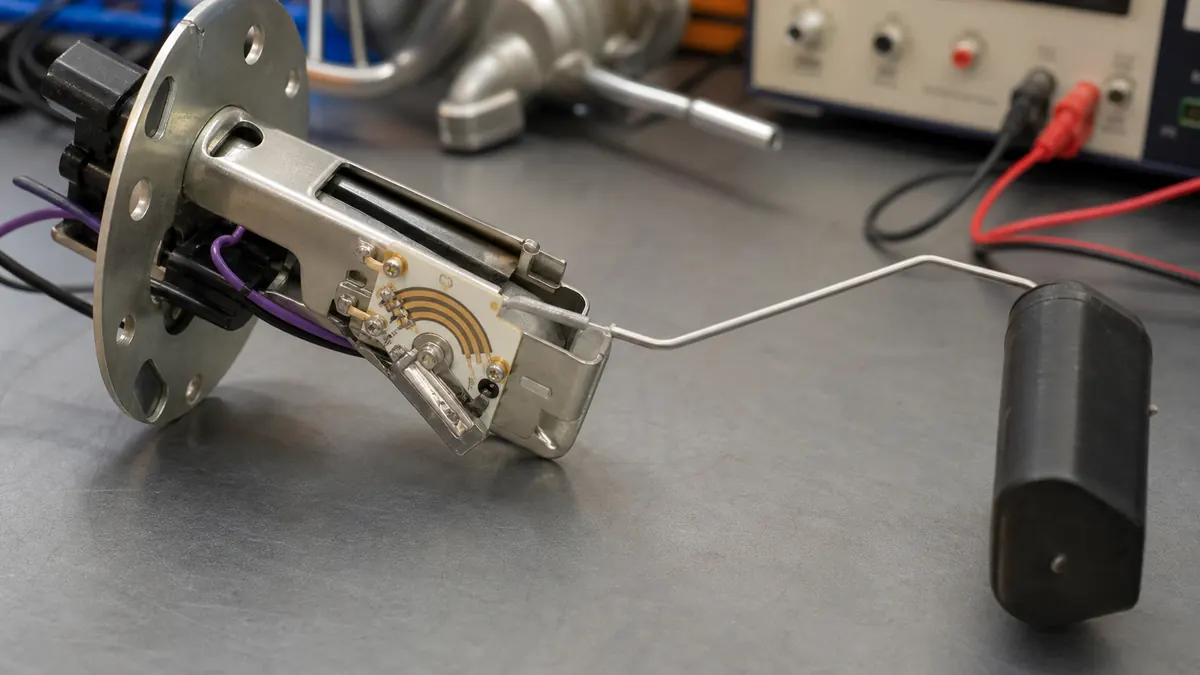
Automotive fuel level sensor circuits need more than a printed resistor pattern. The ceramic resistor card, conductor termination, wiper contact path, resistance curve, fuel exposure, vibration, and assembly tolerance all affect final gauge output.
Thick film ceramic technology is widely used for fuel gauge circuits because it can integrate a custom resistance track directly onto a stable substrate. This helps engineers match the signal curve to the fuel sender mechanism while maintaining repeatable batch output.
Typical project types
- Motorcycle fuel gauge ceramic circuit boards.
- Automotive fuel level sensor resistor cards.
- Fuel sender assembly replacement resistor boards.
- Oil level or liquid level sensor thick film resistor tracks.
- Custom resistance curve parts for OEM or aftermarket programs.
Engineering review checklist
| Item | What to define |
|---|---|
| Curve | Resistance versus angle, float position, travel distance, or sender output point. |
| Track | Arc, linear, multi-track, contact width, end stops, and wiper wear area. |
| Substrate | Ceramic grade, thickness, outline, holes, slots, and edge profile. |
| Environment | Fuel or oil exposure, humidity, vibration, temperature cycling, and lifecycle target. |
| Inspection | Curve test, resistance tolerance, visual surface, adhesion, continuity, and lot traceability. |
Why this page matters for RFQ quality
If only the board size is provided, the quote may miss the most important function: the output curve. A complete RFQ should include drawing files, sample photos, target resistance table, mechanical travel range, contact method, annual volume, and test requirements.