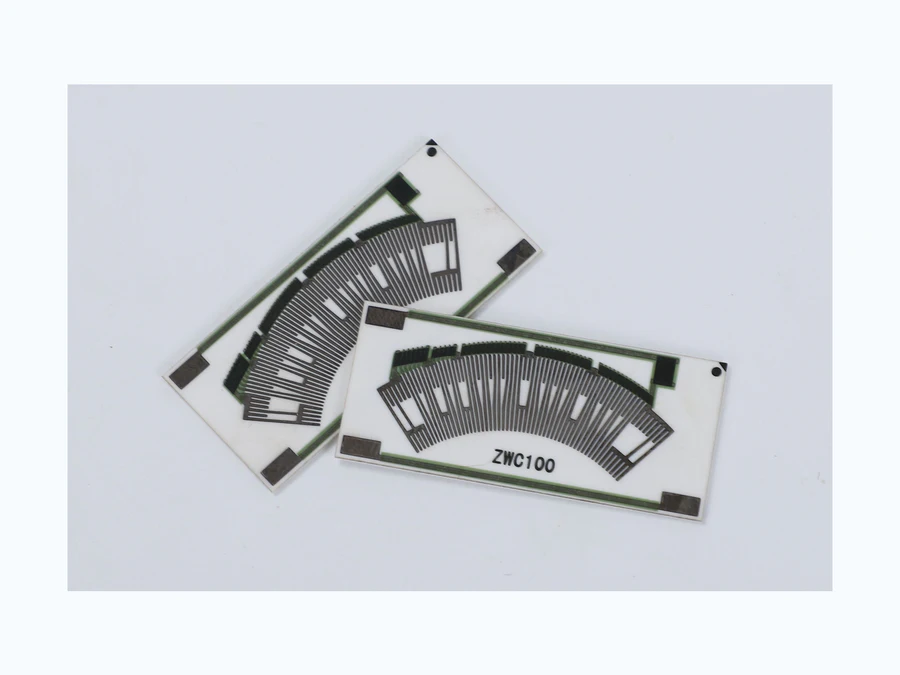
Automotive Sensing & Control
Start with the mechanism, output curve, contact system, fluids, temperature, vibration, and vehicle-level validation—not a generic resistor-card specification.
Open engineering guide
Applications
Use these original application guides to define operating conditions, interfaces, failure risks, validation, and RFQ inputs before choosing a thick film circuit route.
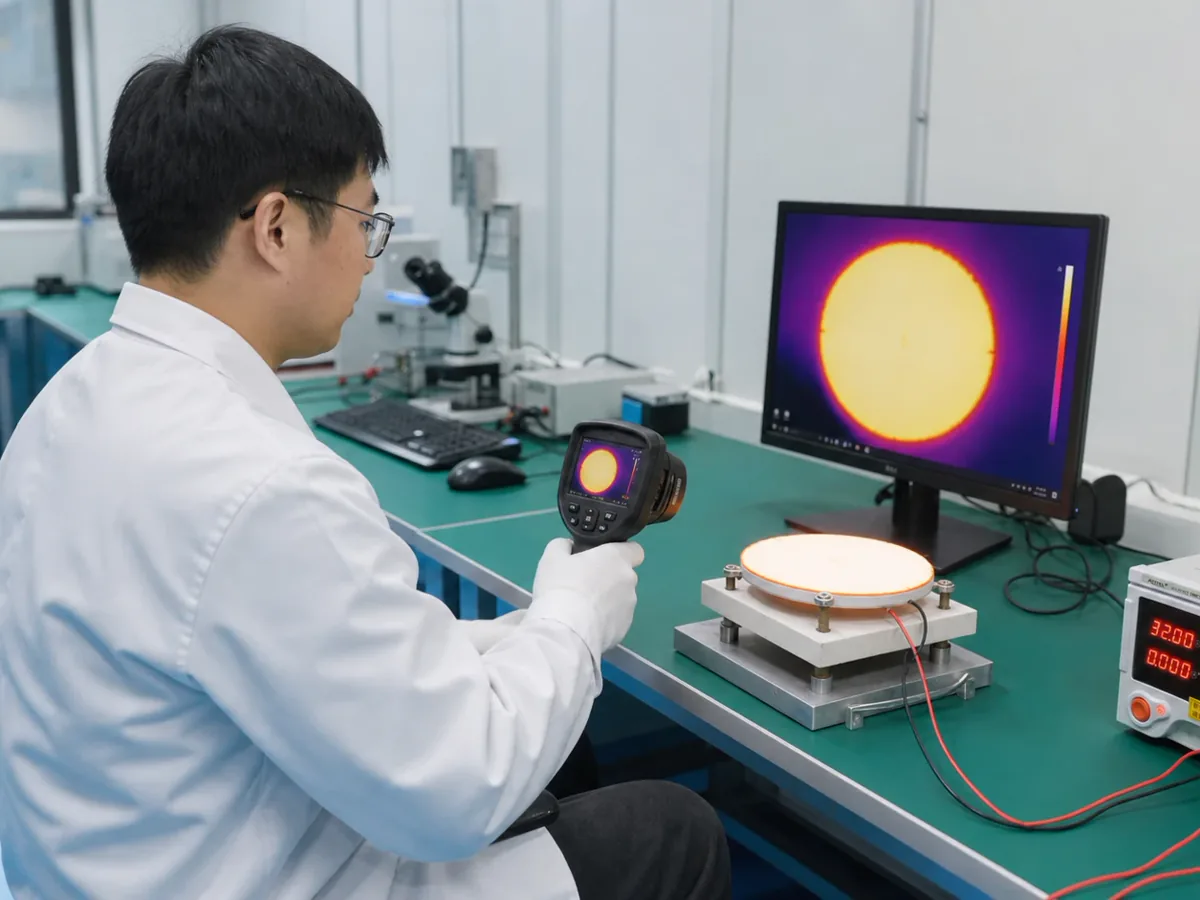
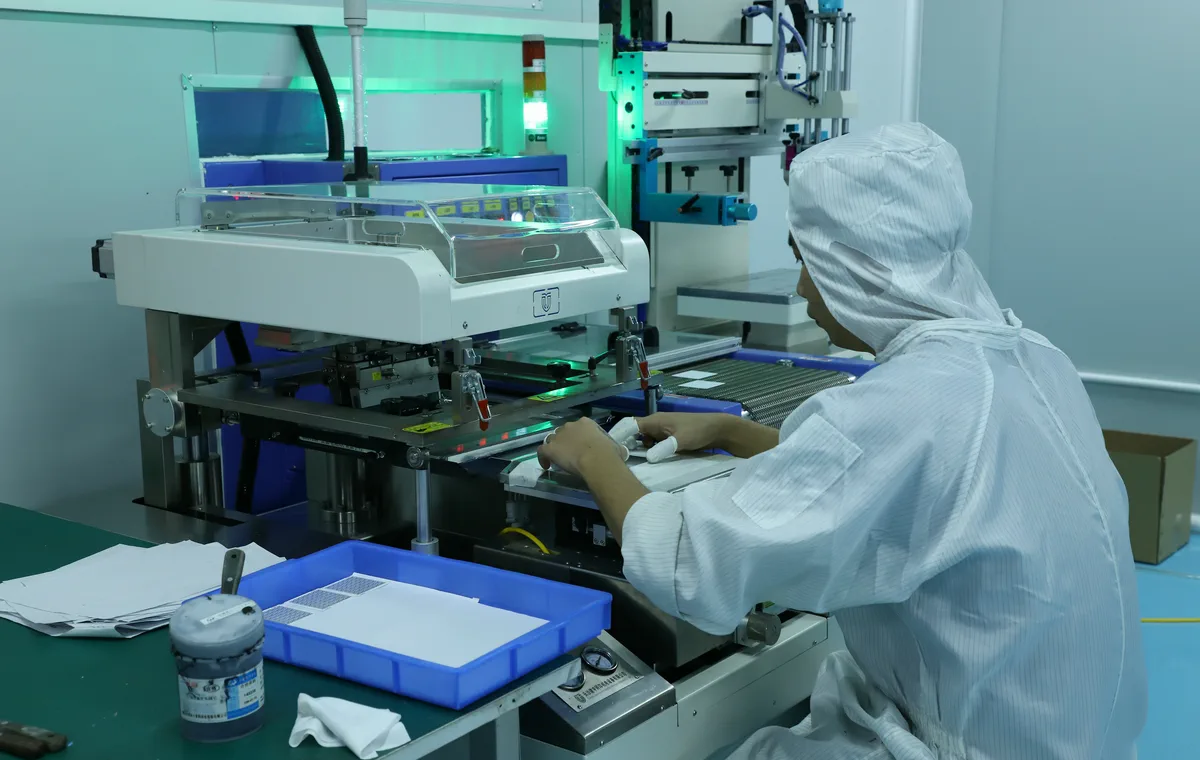
Company laboratory and process photographs. Application suitability remains drawing- and system-controlled.
Product pages explain a manufacturable part, its confirmed structure, evidence, boundaries, and quotation route.
Application pages explain the surrounding system, selection logic, interfaces, failure risks, validation ownership, and what the buyer must define.
Start with the mechanism, measurand, signal chain, contact or sensor interface, enclosure, and calibration method.
Start with the mechanism, output curve, contact system, fluids, temperature, vibration, and vehicle-level validation—not a generic resistor-card specification.
Open engineering guideDefine the measurand, signal chain, process connection, enclosure, calibration, contamination, and field duty before selecting a ceramic circuit route.
Open engineering guideStart with the thermal load, heat path, sensing, controls, cleaning or media exposure, insulation, and fault response.
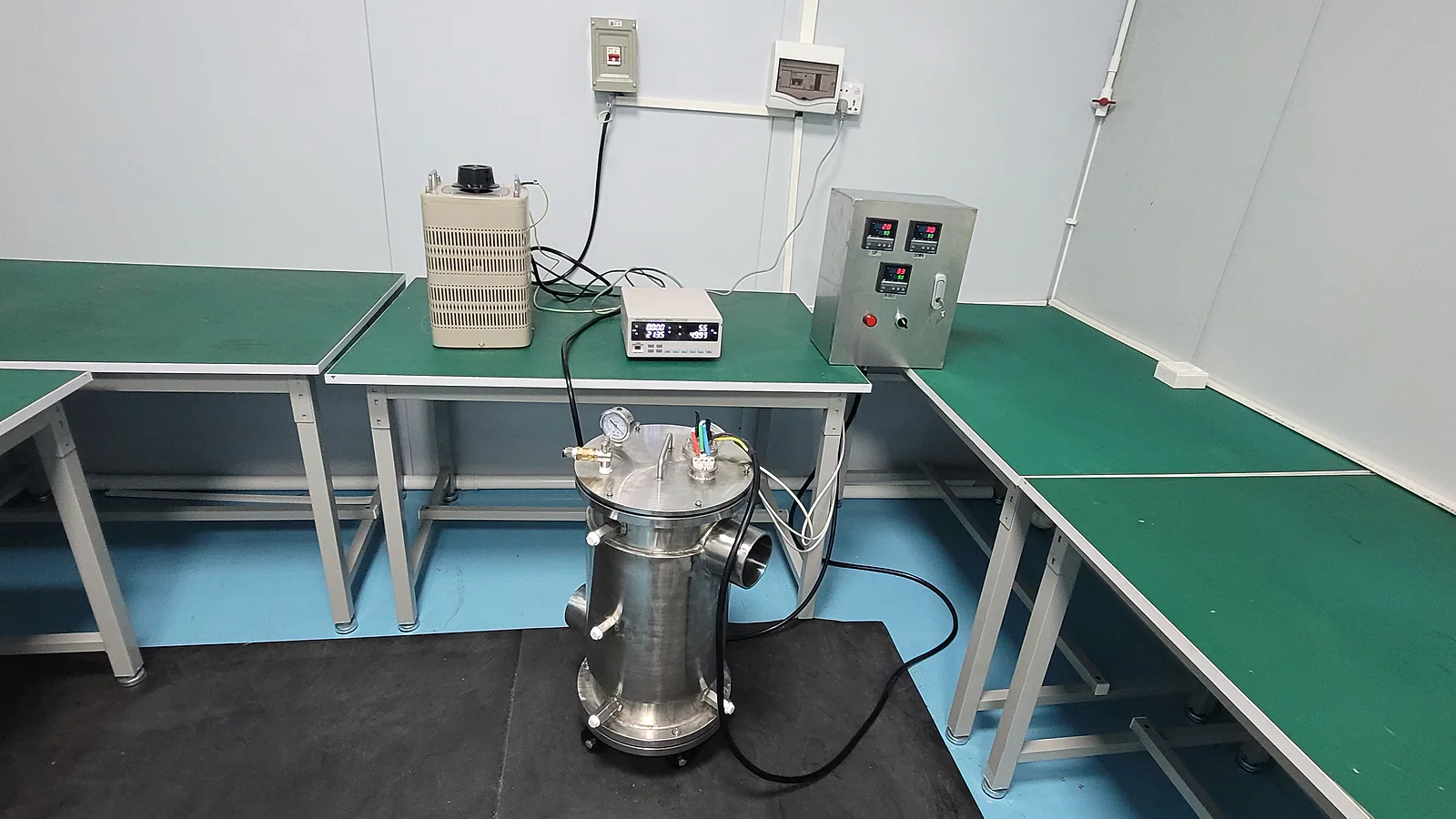
Translate temperature uniformity, warm-up time, sensing, cleaning, insulation, and risk controls into a reviewable heater-and-instrument specification.
Open engineering guide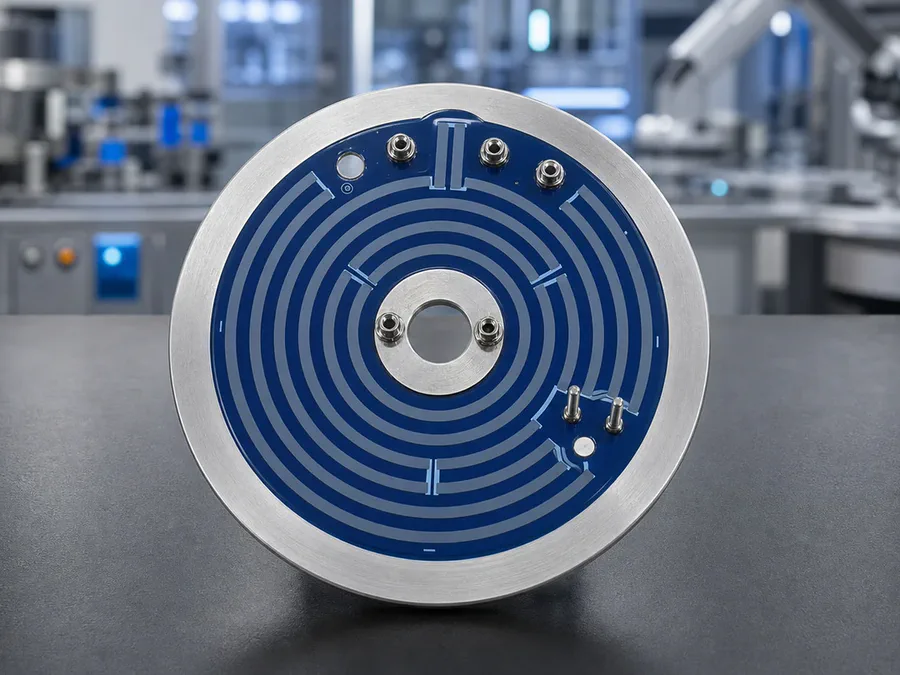
Design the heater around the fluid path, heat transfer, scale, pressure, sensing, grounding, dry-run protection, cleaning, and appliance safety plan.
Open engineering guideStart with waveforms or frequency behavior, thermal management, isolation, grounding, assembly, and the measurement fixture.
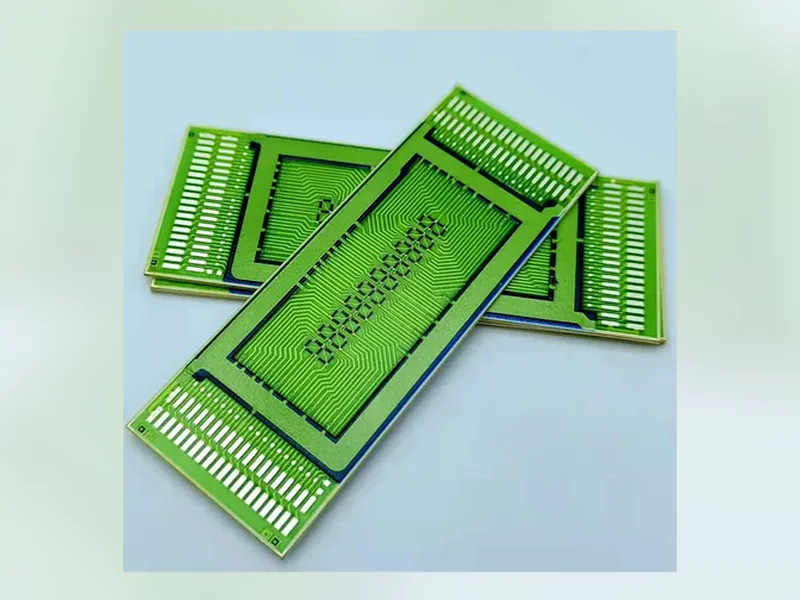
Connect electrical waveforms, isolation, heat flow, power-module assembly, transients, cooling, and fault behavior before choosing a ceramic substrate.
Open engineering guide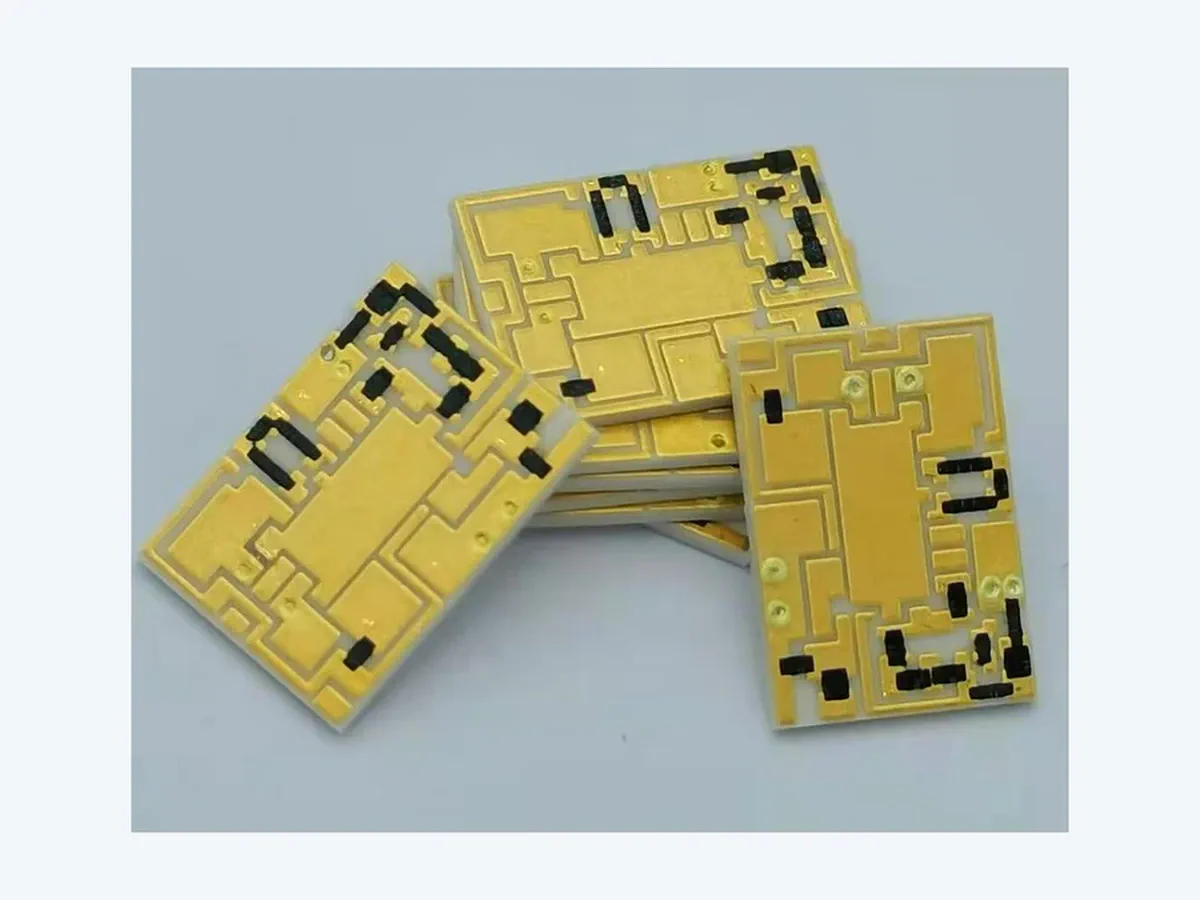
Define frequency or precision behavior, material data, geometry, grounding, optical or RF alignment, assembly, cleanliness, thermal drift, and test fixtures together.
Open engineering guideThe order matters: product selection comes after the operating envelope and interfaces are understood.
Electrical, thermal, sensing, mechanical, media, and control targets.
Substrate, housing, contacts, terminals, attachment, cooling, sealing, and test access.
Worst-case loads, environment, faults, qualification, records, and system ownership.
Only then compare the suitable product, material, printed stack, and prototype plan.
Send the function, drawing or sample, operating environment, target data, validation needs, prototype quantity, and annual demand. Unknown values can be marked for application review.