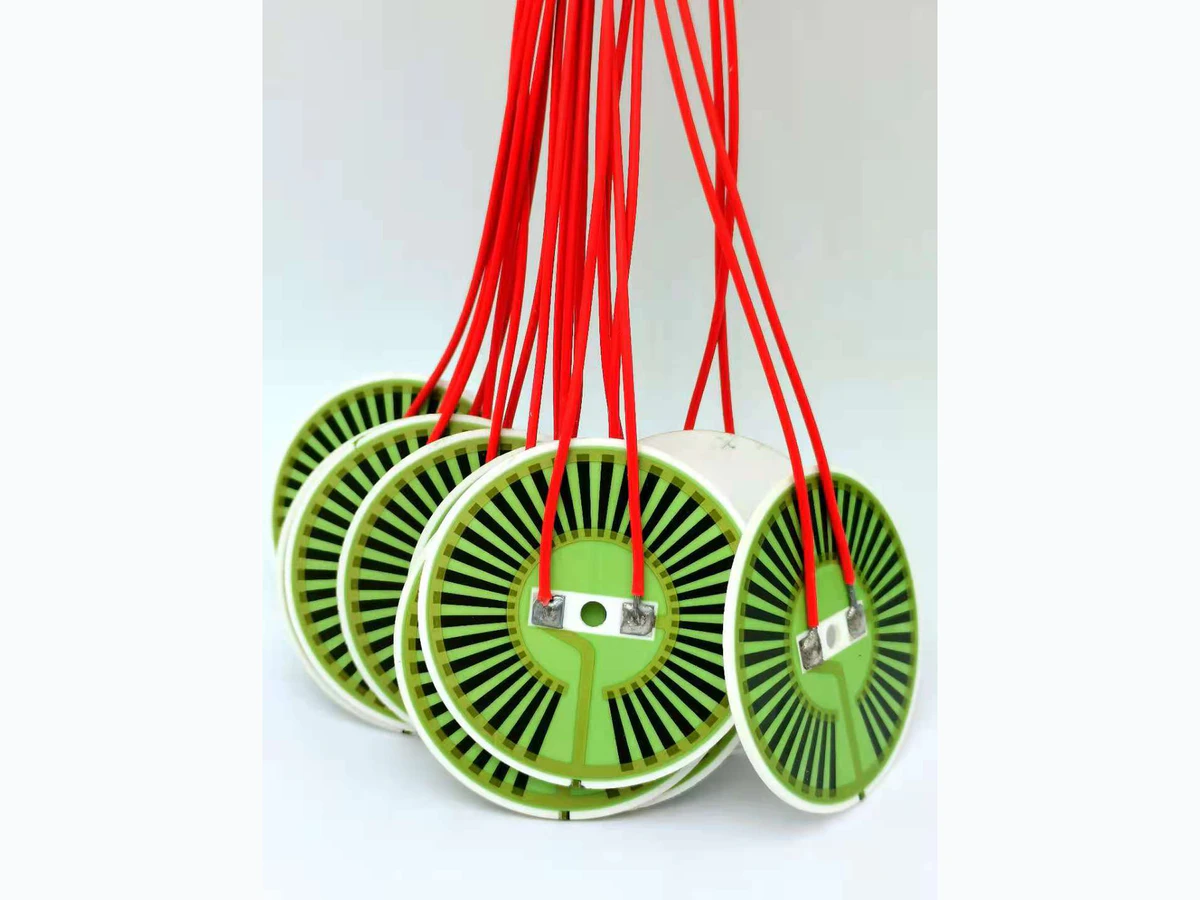
Alumina body and printed stack
Review ceramic purity and thickness, diameter and holes, flatness, edge condition, conductor and resistor compatibility, protective coverage, clearances, print sequence, and thermal contact area.

Ceramic Heater Engineering
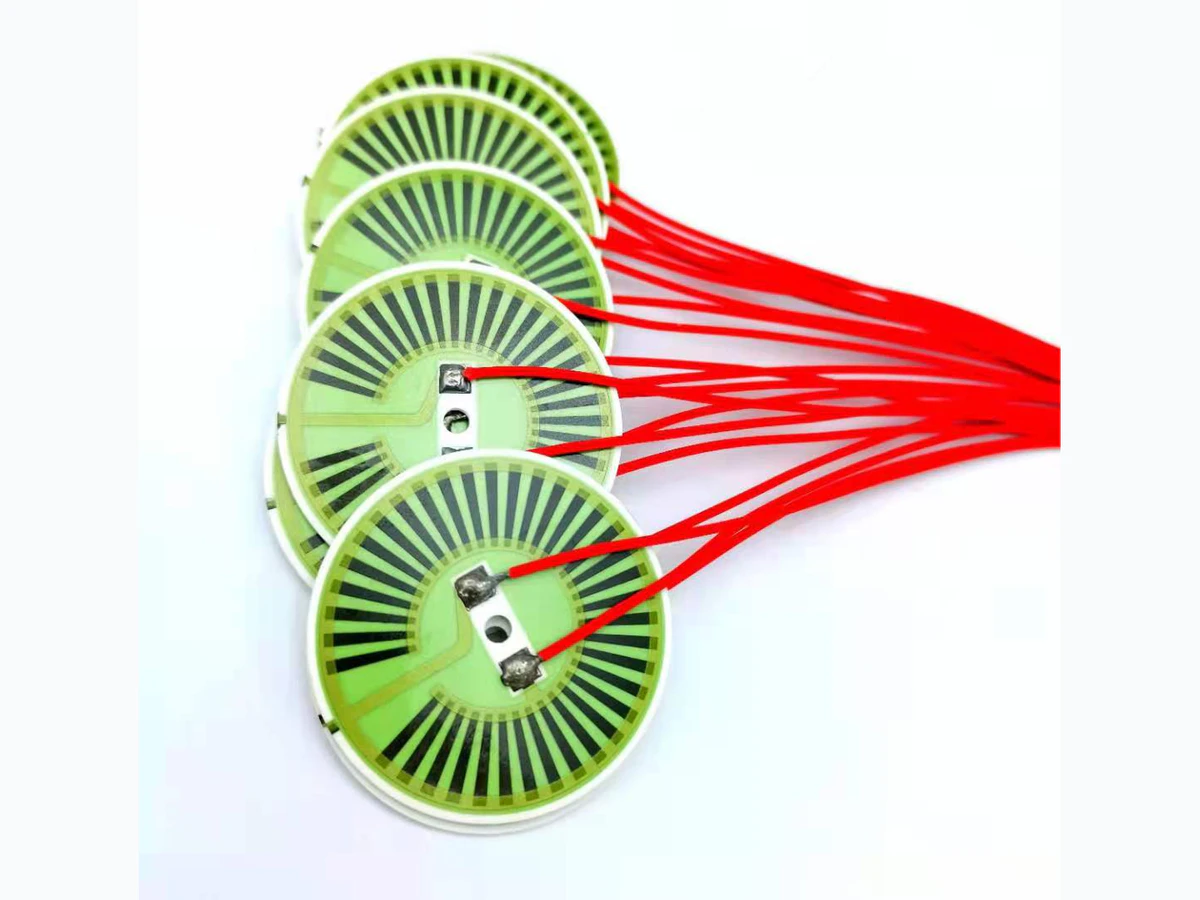
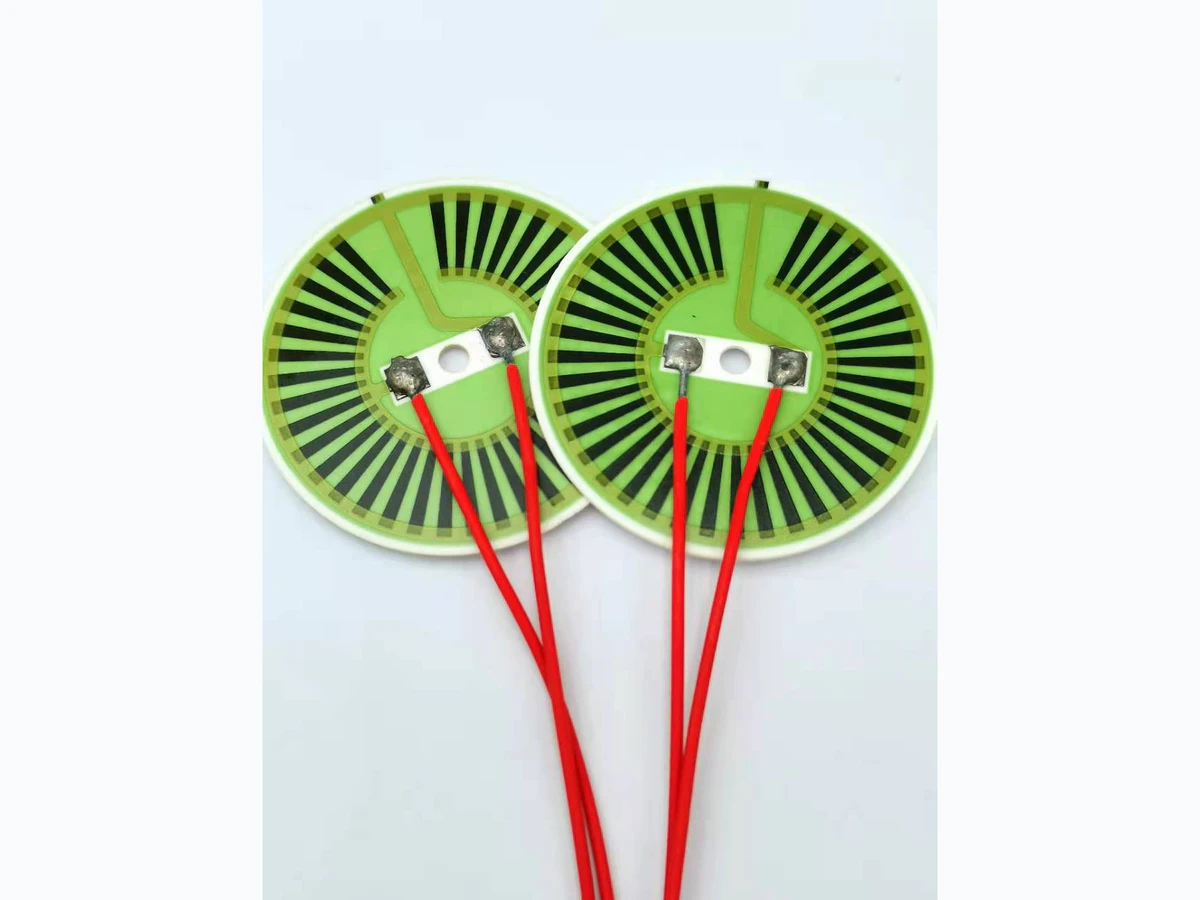
An alumina thick film heater places a project-defined printed resistance and conductor system on a compact ceramic body, with terminal, lead, insulation, heat-transfer, and control requirements released as one assembly. The supplied photographs show round ceramic discs with white rims, green visible surfaces, dark radial patterns, terminal areas, and red leads. Send the ceramic drawing, resistance, voltage, power, thermal boundary, terminal and lead details, environment, quantity, and validation plan for review.
Twelve category-level selection values cover substrate routes, printed systems, electrical targets, temperature ranges, and test baselines. Each value is typical; the released product value is confirmed against the customer drawing and operating conditions. For this alumina route, ceramic purity and thickness, printed materials, protection, leads, heat transfer, and acceptance tests are selected for the released drawing.
Final values confirmed against customer drawing.
| Substrate Material | Stainless steel / Aluminum / Alumina / AlN / PI |
|---|---|
| Dielectric Layers | 3–4 layers typical, metal substrates |
| Heater Resistor | RuO₂ / Metal-based / PTC |
| Conductor System | Ag / Ag-Pd / Metal terminal |
| Rated Voltage | 3–240 V AC/DC typical |
| Rated Power | 1–2,000 W typical |
| Target Resistance | 0.1 Ω–10 kΩ typical |
|---|---|
| Resistance Tolerance | ±5% typical |
| Power Density | 1–60 W/cm² typical |
| Operating Temperature | Polymer ≤150°C / Ceramic-metal ≤600°C typical |
| Process Temperature | ≈850°C ceramic / ≈590°C metal / 120–200°C polymer* |
| Electrical Test | IR ≥100 MΩ / Hi-pot ≥1.5 kVAC typical |
Four controls connect the alumina disc, printed heater system, terminal and lead assembly, heat-transfer interface, and validation plan. Visible features guide the first review; purity, layer chemistry, dimensions, values, temperature limits, and test acceptance remain project-controlled.
Review ceramic purity and thickness, diameter and holes, flatness, edge condition, conductor and resistor compatibility, protective coverage, clearances, print sequence, and thermal contact area.
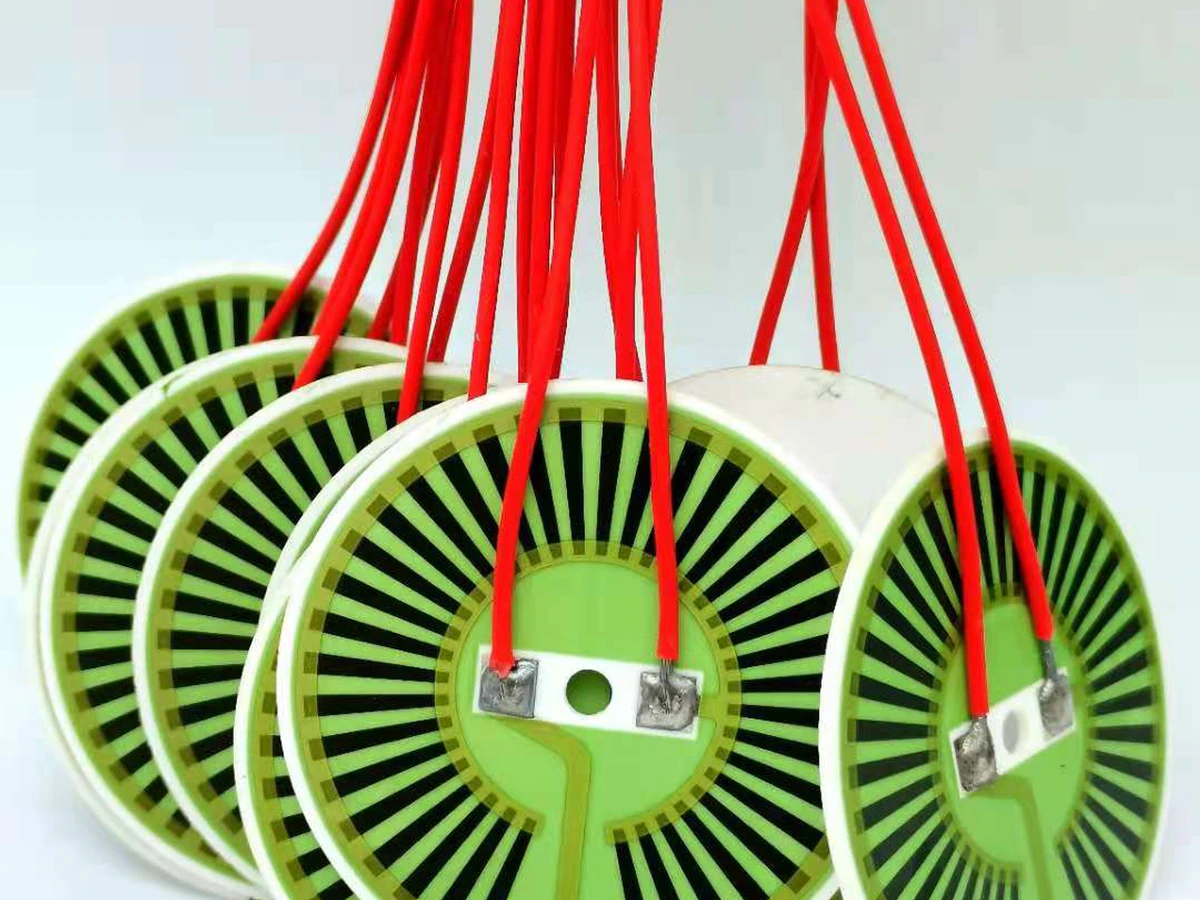
Connect resistance, tolerance, voltage, power, power density, path geometry, heated area, conductor transitions, openings, sensor position, artwork revision, and measurable alignment limits.
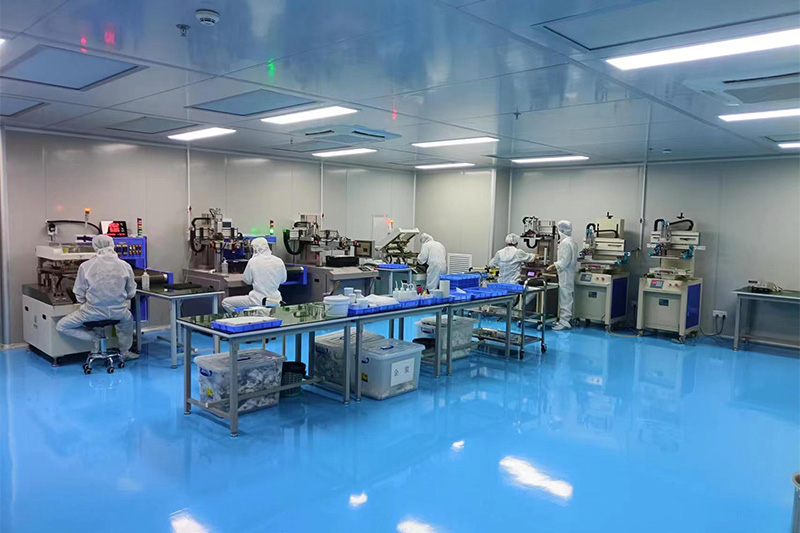
Define terminal material and finish, joining method, lead gauge and temperature rating, polarity, length, routing, strain relief, pull criteria, connector, housing, thermal contact, and packing.
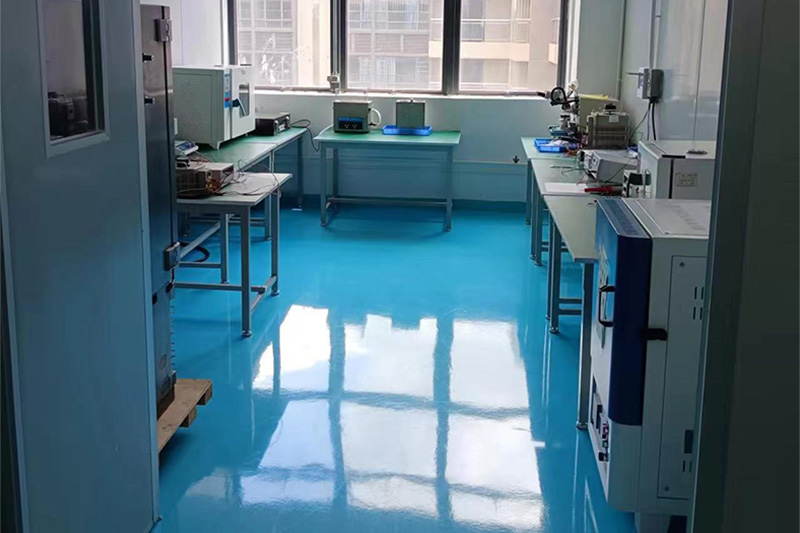
Release resistance, continuity, insulation resistance, hi-pot, leakage, power, warm-up, thermal mapping, cycling, functional checks, sampling, calibration, traceability, and report format.
These application illustrations show conditional ceramic-heater directions. Suitability depends on the released ceramic geometry, heat load, resistance and power, terminal and lead assembly, thermal contact, environment, controls, safety requirements, and validation plan.
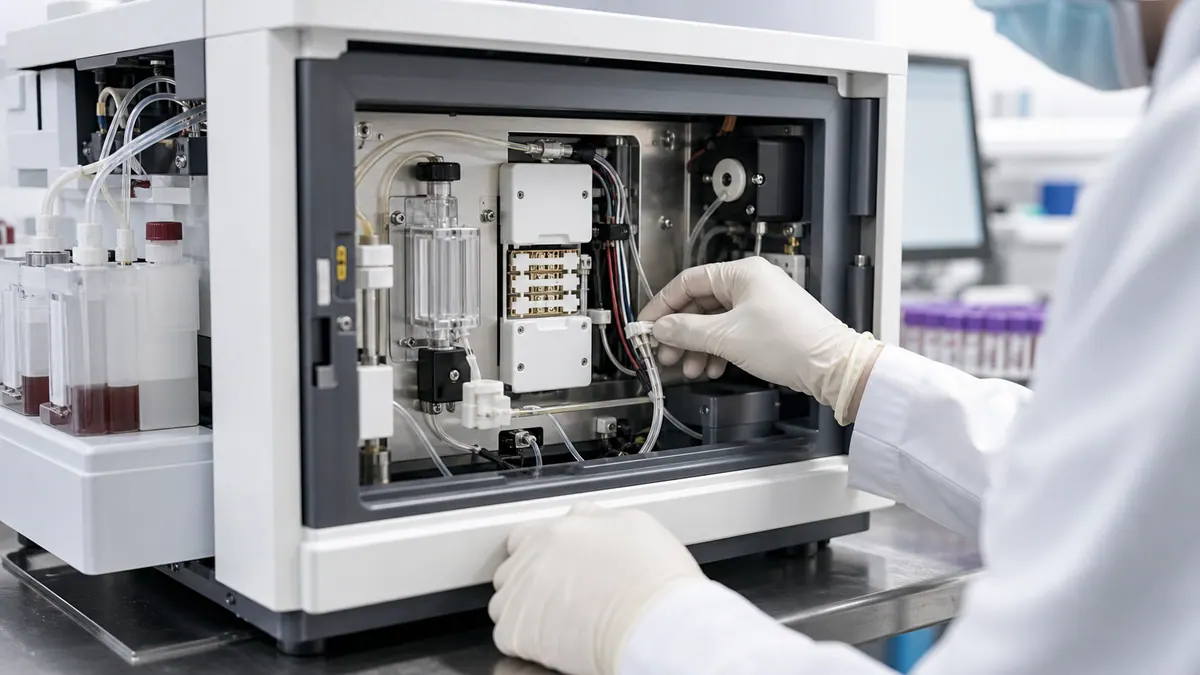 Application illustration
An alumina heater may support compact analyzer thermal zones after the target temperature, uniformity, sample interface, contamination limits, sensor and control logic, lead routing, cleaning, and equipment validation are released.
Review analyzer inputs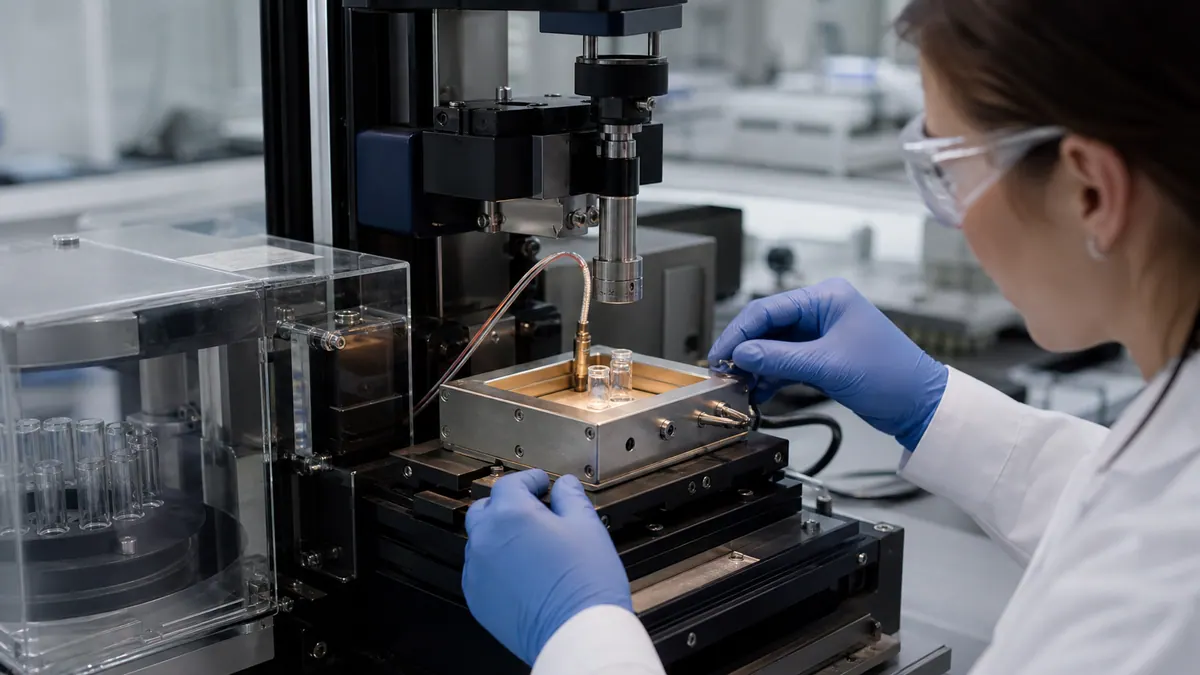 Application illustration
Round or custom ceramic heaters can be reviewed for instrument chambers and fixtures when heated geometry, warm-up time, stability, thermal contact, vacuum or atmosphere, terminals, sensors, and calibration route are defined.
Review instrument inputs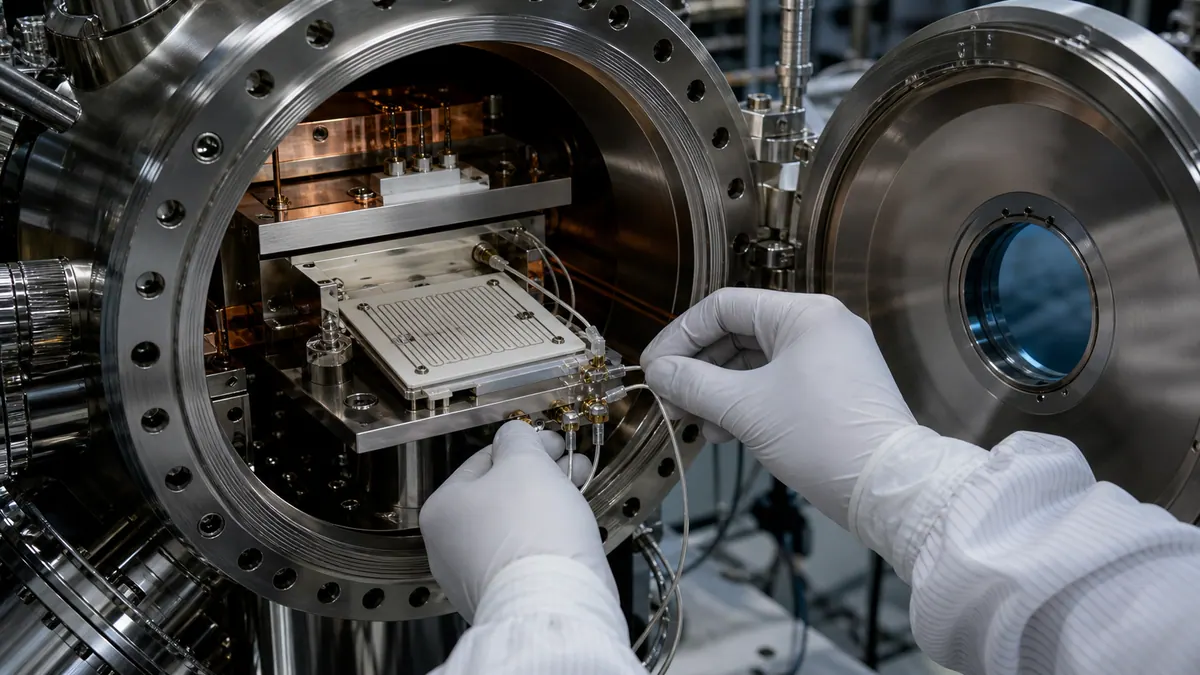 Application illustration
An alumina heater may be considered for localized vacuum heating after material compatibility, outgassing, feedthrough and lead design, thermal radiation and conduction, control limits, insulation, cycling, and chamber-level qualification are specified.
Review vacuum inputsFour supplied photographs and one controlled detail crop visibly confirm round ceramic heater discs with white rims, green visible surfaces, dark radial patterns, terminal regions, red leads, and several group configurations. The images do not establish alumina purity, dimensions, printed material identities, resistance, voltage, power, temperature capability, lead rating, pull strength, insulation, lifetime, lot, inspection, or shipment status.
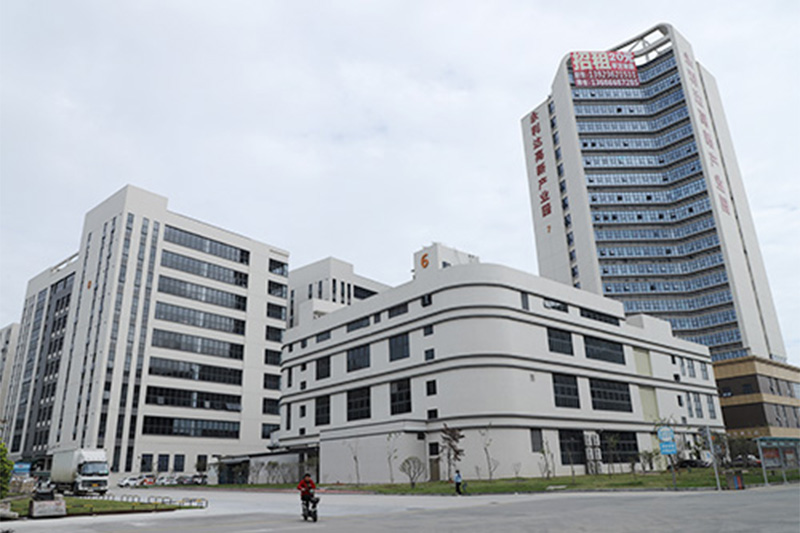
Company resources support controlled printing, thermal processing, laboratory inspection, and managed production in Dongguan. For alumina heaters, the compatible ceramic and paste system, terminal and lead assembly, resistance and insulation checks, thermal validation, sampling, traceability, and acceptance records are confirmed for each released project.
View Full Capabilities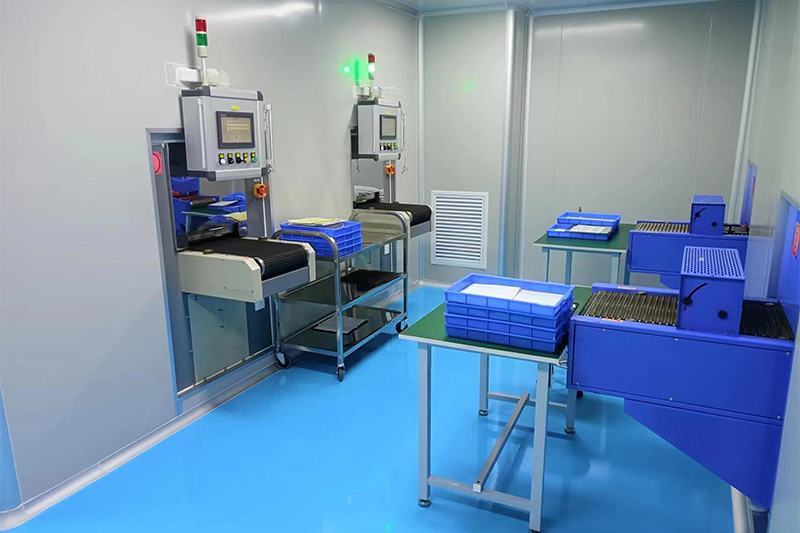
Short answers for quotation planning; released drawings and validation requirements remain controlling.
Provide the dimensioned ceramic drawing, alumina purity and thickness if specified, printed artwork, heated area, target resistance and tolerance, voltage, power, power density, temperature target, heat load, duty cycle, thermal contact, terminal and lead requirements, sensors and controls, environment, quantities, safety tests, and acceptance records. A sample photo is useful but cannot replace the controlled drawing and electrical conditions.
They can be reviewed against the ceramic and assembly route. Engineering checks ceramic availability, diameter and thickness, holes and edge finish, printable area, resistance range, path geometry, conductor transitions, protection, terminal metallurgy, joining temperature, lead rating, strain relief, connector space, thermal contact, inspection access, tooling, yield, and volume before confirming feasibility.
The heater is evaluated under the released mounting and heat-load condition. The plan may include resistance and power measurement, sensor placement, warm-up, steady-state mapping, local hot-spot review, control limits, insulation and hi-pot checks, cycling, and application-level functional testing. The listed category ranges are typical guidance, not a guaranteed temperature for every disc.
No. Visible color is not reliable proof of resistor, conductor, dielectric, glass, protective, or ceramic chemistry. The photographs confirm patterns and interfaces only. Material identity, fired build, values, electrical duty, temperature limit, stability, safety performance, lot, and shipment status require controlled specifications and records.
Send the ceramic, printed-layer, electrical, thermal, terminal, lead, assembly, environment, safety, and order inputs so engineering can review the alumina body, resistance layout, conductor transitions, protection, heat-transfer interface, and validation route together. Production release follows the approved drawing and project test plan.
PDF, DWG, DXF, STEP, Gerber, ZIP, Excel, Word, or sample photos are accepted.