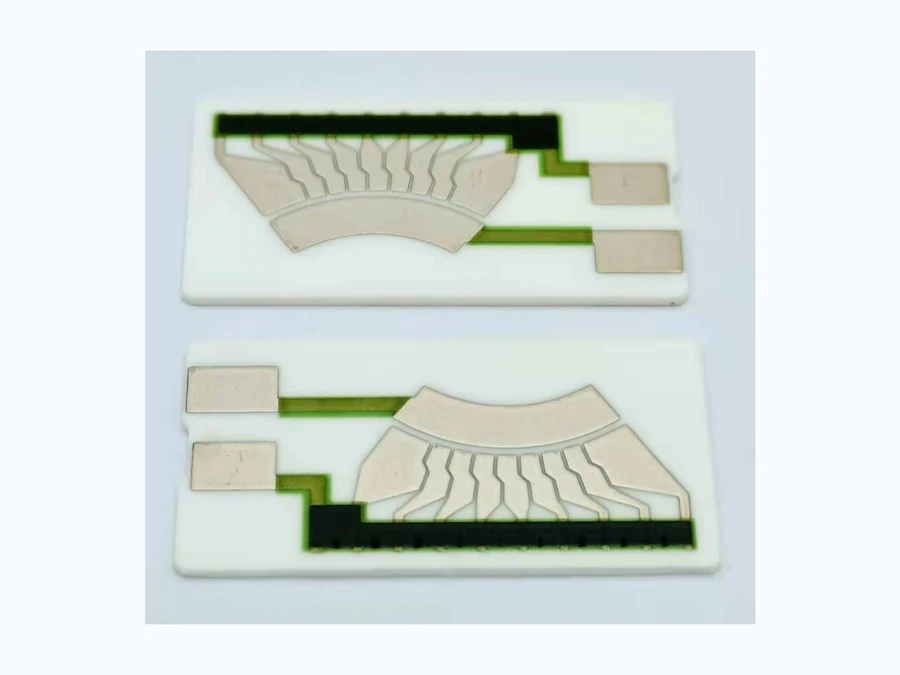
Fuel-Level Sensor Resistor Card
Curve, float-arm geometry, wiper path, fuel exposure, terminals, and sender validation are reviewed together.
Open product page
Resistive sensor element route
A sensor card is released around its output curve and contact system—not its outline alone. Track geometry, active travel, wiper, media, temperature, wear, housing, and validation fixture are reviewed together.
Route definition
Released product pages
Start from the nearest product family, then confirm the drawing, material system, operating conditions, and required evidence.
Curve, float-arm geometry, wiper path, fuel exposure, terminals, and sender validation are reviewed together.
Open product page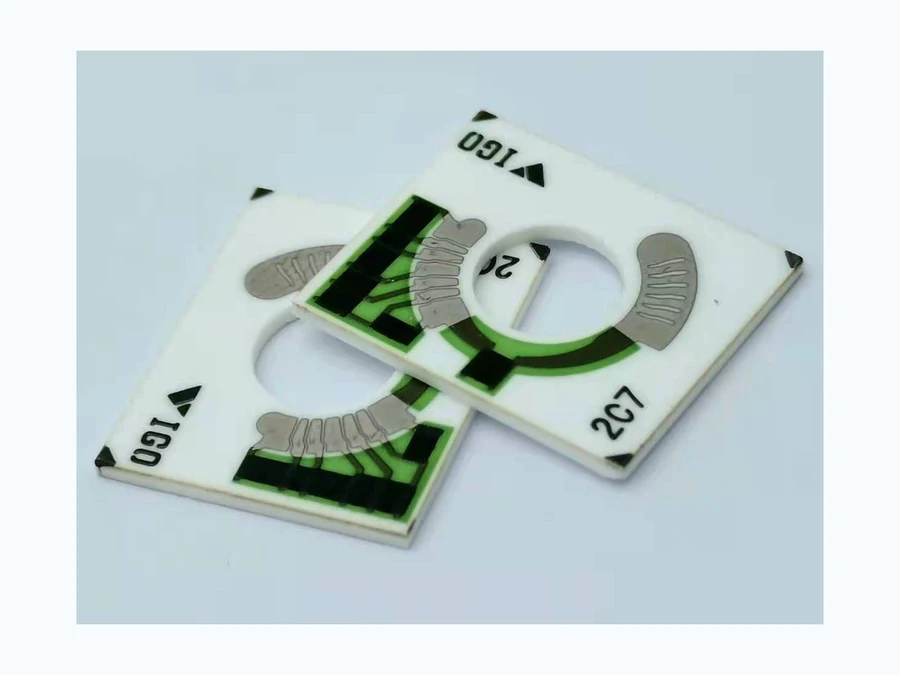
Compact sender geometry reviewed for tank layout, active angle, curve, fuel, vibration, and connector interface.
Open product page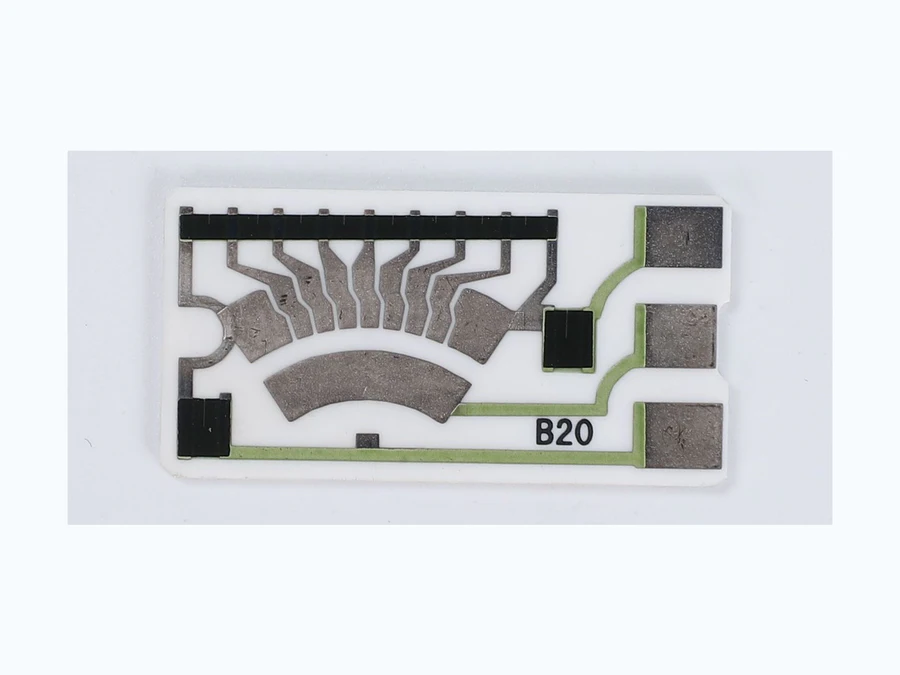
Vehicle-specific curve, damping strategy, media, temperature, wear, and system correlation inputs.
Open product page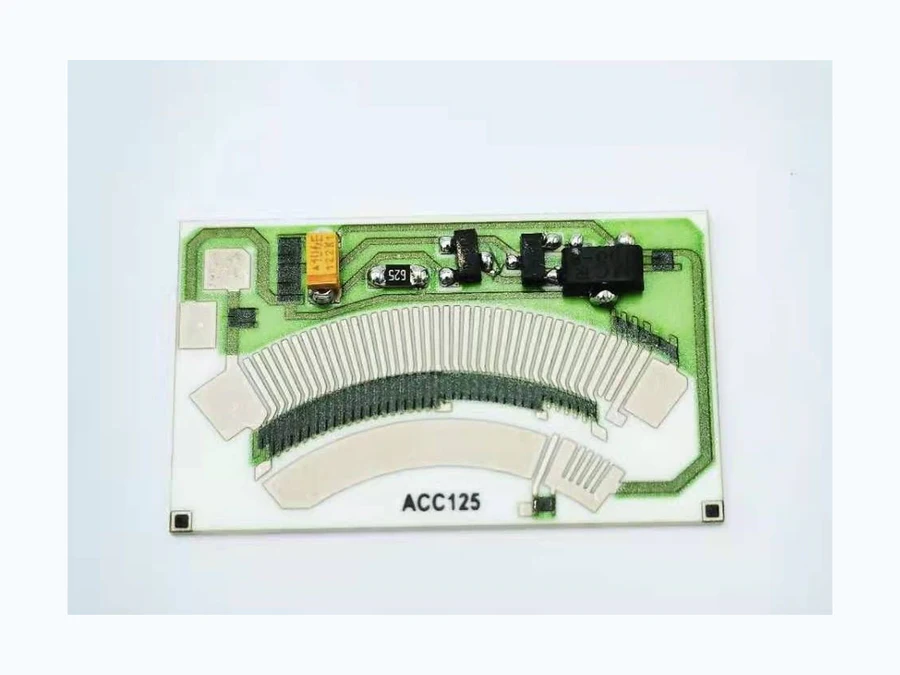
Angular track and collector layouts defined with active angle, direction, wiper, output, and mechanical datums.
Open product page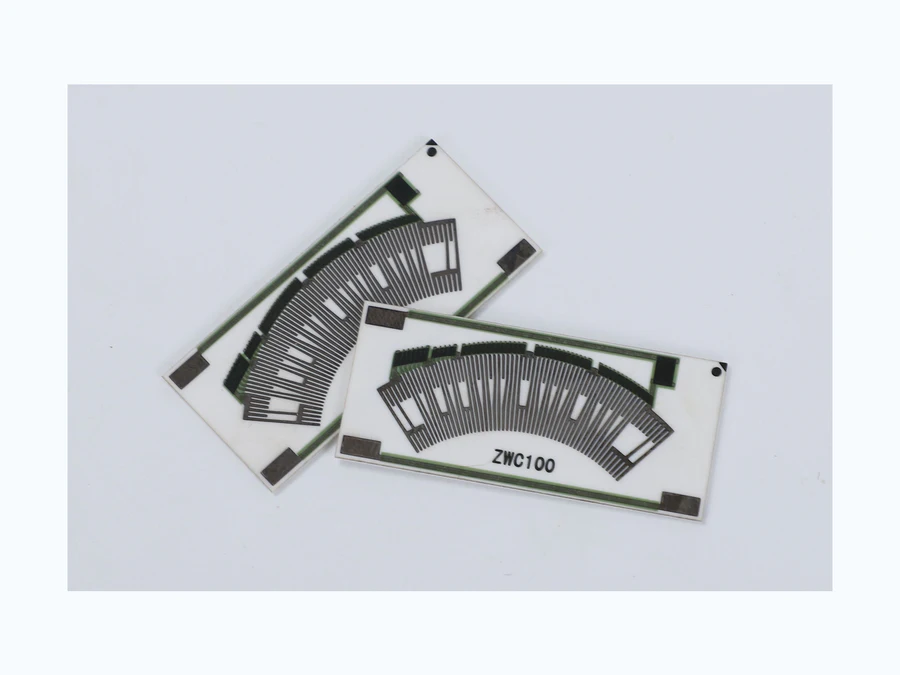
Redundant tracks, correlation, contact geometry, travel, fault limits, and assembly validation are project-controlled.
Open product pageRFQ checklist
Output curve or table with direction, tolerance, reference voltage or current, and load
Active angle or travel, datums, stops, shaft or arm geometry, and assembly stack
Track, collector, redundancy, terminal, connector, and housing requirements
Wiper composition, force, contact width, speed, duty, and expected cycles
Fluid and environmental exposure plus validation fixture, sampling, and failure criteria
Typical programme fit
Suitability and performance are confirmed from the complete assembly and validation conditions, not the application name alone.
Engineering references