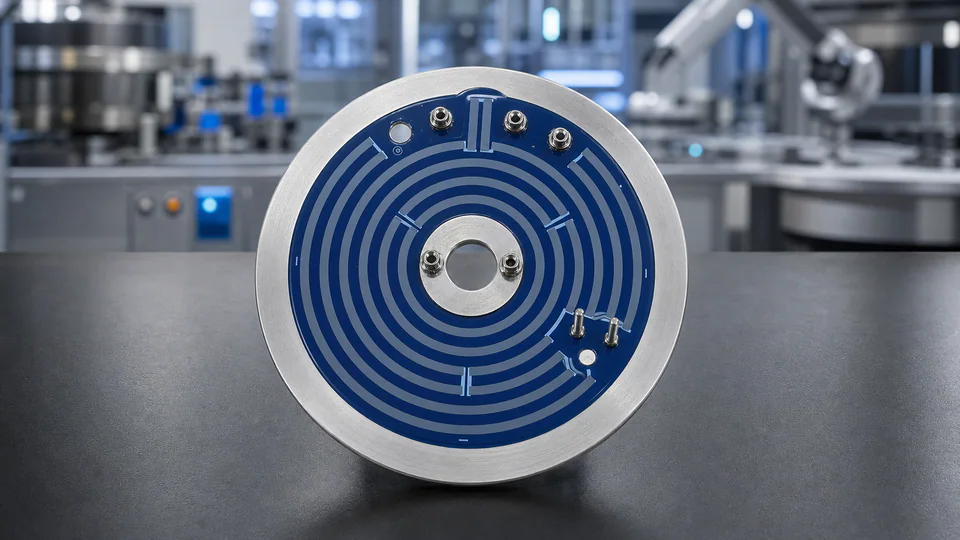
Coffee-Machine Thick Film Heater
Fluid path, heat transfer, power zones, terminals, sensing, scale, mounting, and appliance validation reviewed together.
Open product page
Printed heating element route
A heater is engineered at assembly level. Resistance, voltage, power distribution, substrate, dielectric stack, heat sink, fluid or airflow, sensing, terminals, mounting, controls, and abnormal conditions determine the released design.
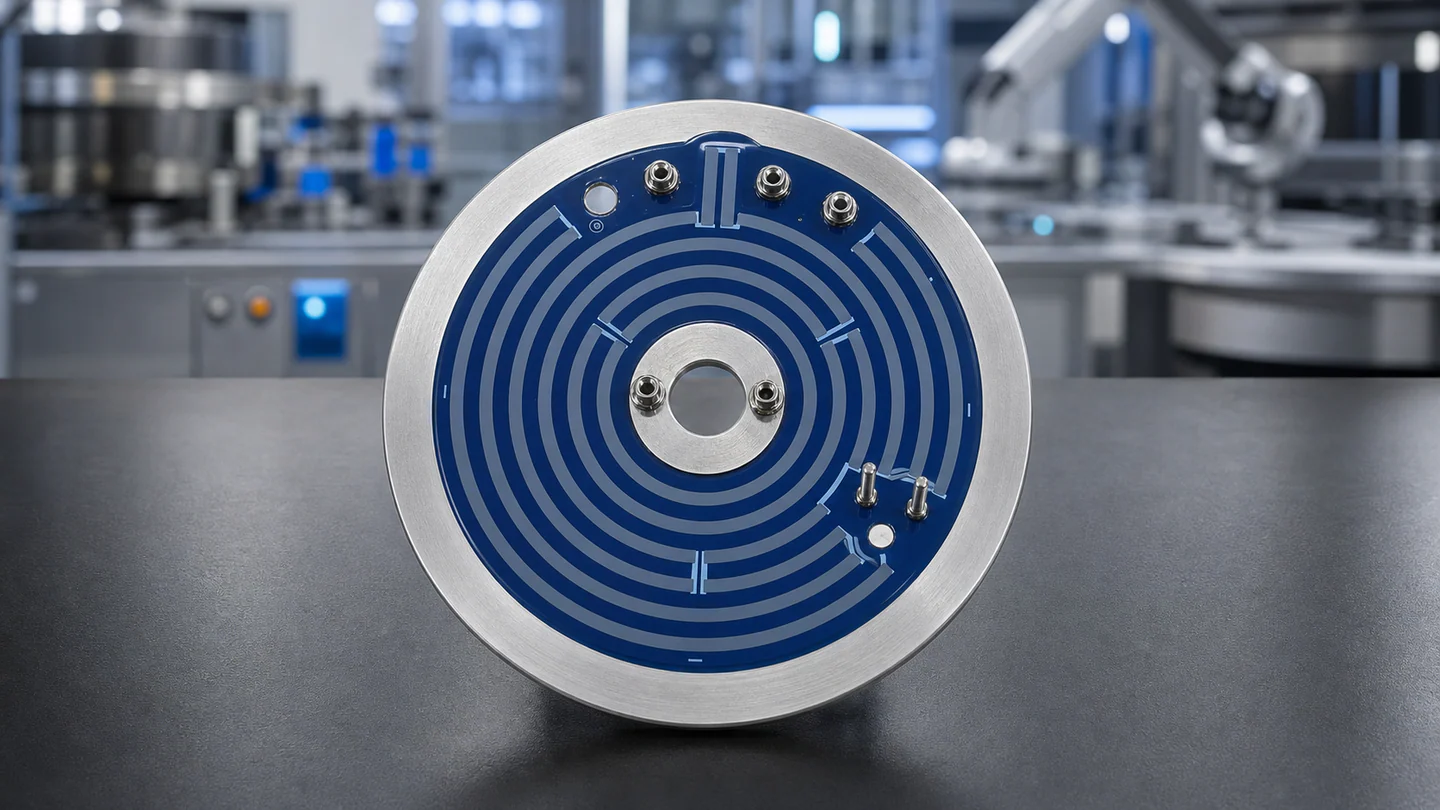
Route definition
Released product pages
Start from the nearest product family, then confirm the drawing, material system, operating conditions, and required evidence.
Fluid path, heat transfer, power zones, terminals, sensing, scale, mounting, and appliance validation reviewed together.
Open product page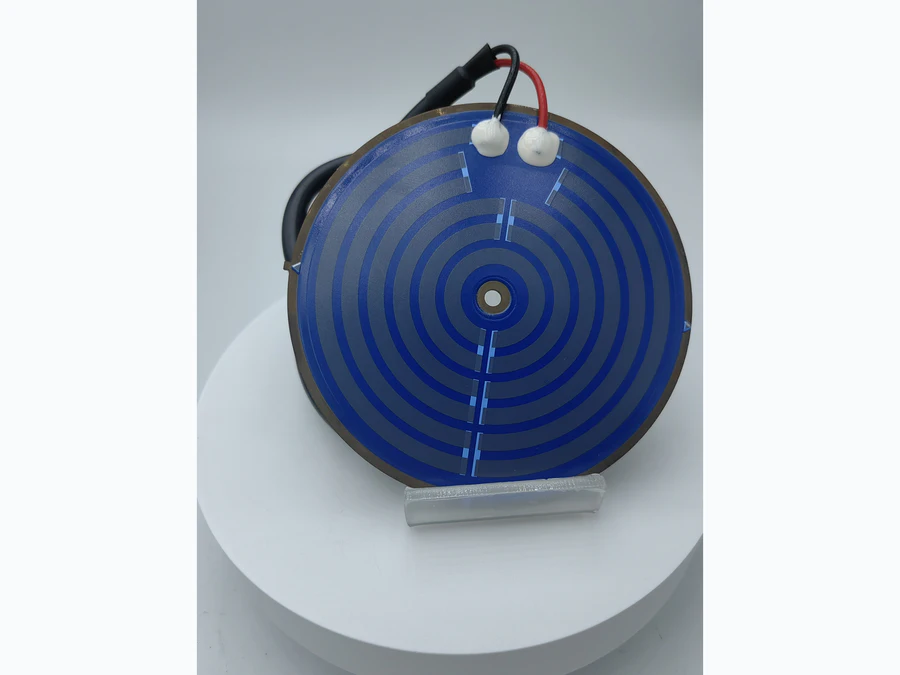
Circular heater layout reviewed with supply, dry-boil controls, fluid contact, vessel interface, terminals, and tests.
Open product page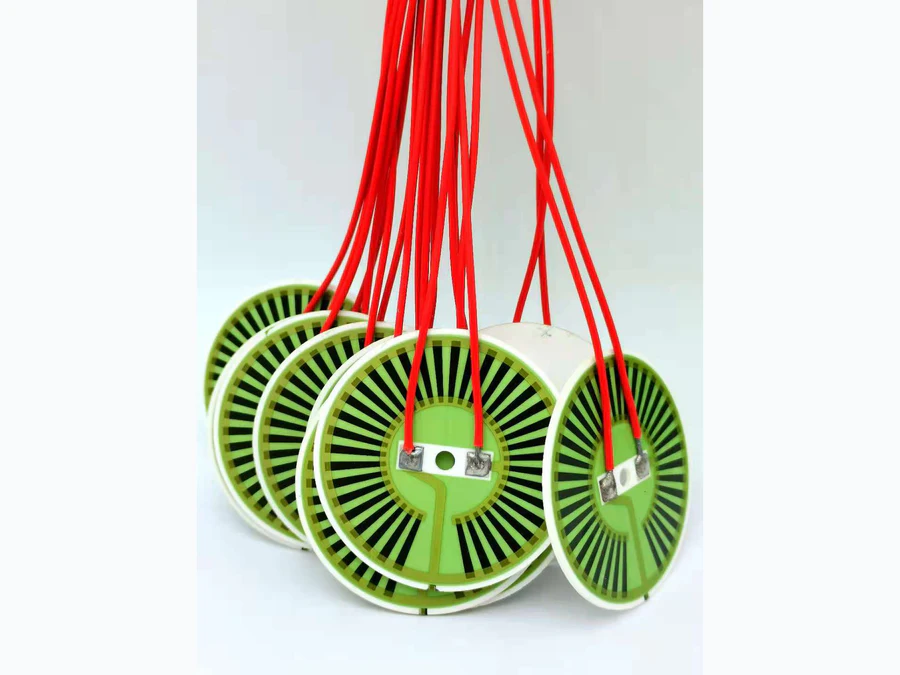
Compact ceramic heater route defined by the heat path, printed stack, lead attach, insulation, and mechanical support.
Open product page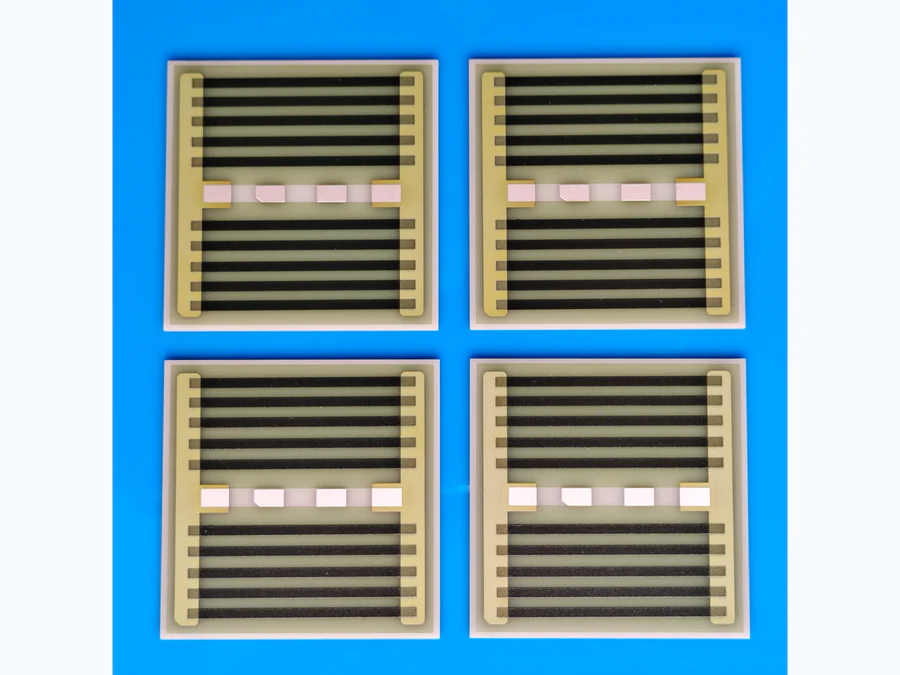
AlN grade, metallization, resistor system, attachment, thermal gradient, and cycling require route-level compatibility review.
Open product page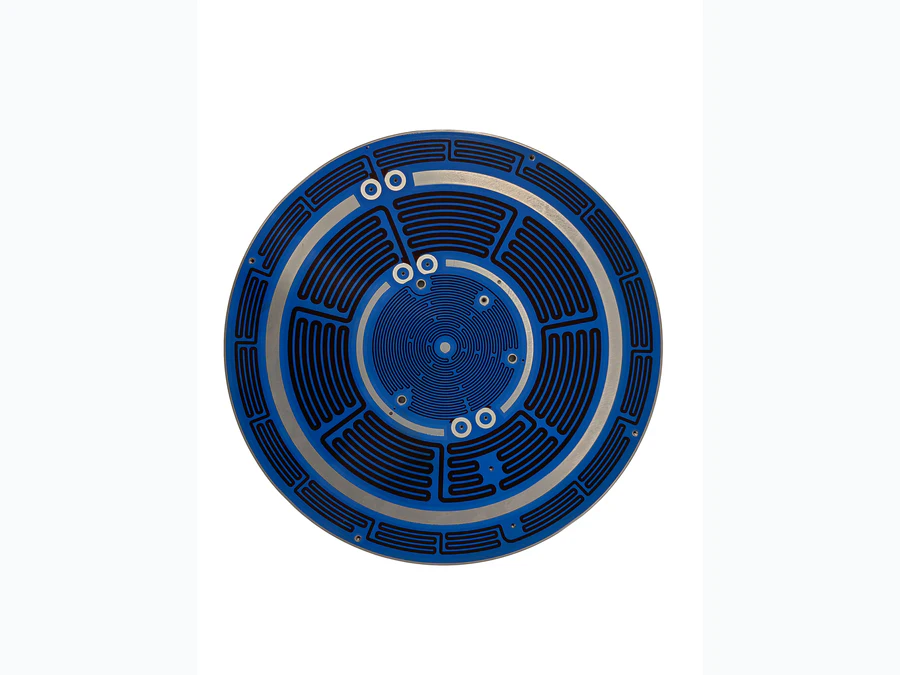
Metal heat spreading coordinated with dielectric insulation, printed heating tracks, terminals, mounting, and cooling.
Open product pageRFQ checklist
Supply voltage, target resistance and tolerance, power, zones, duty cycle, and controls
Substrate, dielectric, outline, heating area, terminals, sensor, and mechanical datums
Fluid, airflow, heat sink, interface material, orientation, mounting force, and start condition
Maximum temperatures at the heater, interface, fluid, housing, and nearby components
Insulation, withstand, leakage, thermal map, cycling, abuse, lifetime, and safety requirements
Typical programme fit
Suitability and performance are confirmed from the complete assembly and validation conditions, not the application name alone.
Printed heating elements on a substrate selected for the assembly. The quotation defines the heater part, terminals and tests; controller, enclosure and system qualification requirements must be specified separately.
Send outline, heating area and zones, mounting model, voltage range, power, target temperature, ambient or flow conditions, terminals, sample quantity and validation requirements.
Send DrawingsA calculation-led engineering method for working-circuit insulation selection, from boundary definition and measurement through failure discrimination, validation, and RFQ inputs.
Track how fired films, joint height and cleaning change the seating interface of an alumina heater before transferring it into its final mount.
Engineering references