
On this page
Active-area watt-density selection is evaluated on the actual resistive trace footprint, inactive margins, terminals, apertures and served load region. The review distinguishes electrical power dissipated in active printed resistance from overall substrate area that does not generate heat, and uses average active-area watt density with a local map as its traceable decision output. State which area owns the denominator; overall part area can understate the heat generation that the active region must carry.
Key design decisions
- Freeze the as-built definition of resistive trace footprint, inactive margins, terminals, apertures and served load region.
- Discriminate electrical power dissipated in active printed resistance from overall substrate area that does not generate heat through average active-area watt density with a local map.
- Revalidate the affected evidence when active trace area, terminal zone, aperture, voltage, resistance or load contact changes.
Engineering decision for active-area watt-density selection
A useful active-area watt-density selection assessment freezes the represented resistive trace footprint, inactive margins, terminals, apertures and served load region state and every feature influencing average active-area watt density with a local map. The decision cannot be reduced to a single reading: average active-area watt density with a local map has to separate electrical power dissipated in active printed resistance from overall substrate area that does not generate heat. Arithmetic illustrating active-area watt-density selection declares no limit for electrical power dissipated in active printed resistance and no production capability for resistive trace footprint, inactive margins, terminals, apertures and served load region. State which area owns the denominator; overall part area can understate the heat generation that the active region must carry.
A active trace area, terminal zone, aperture, voltage, resistance or load contact revision sits outside the active-area watt-density selection conclusion until its effect on average active-area watt density with a local map is checked. Arithmetic illustrating active-area watt-density selection declares no limit for electrical power dissipated in active printed resistance and no production capability for resistive trace footprint, inactive margins, terminals, apertures and served load region. For active-area watt-density selection, report average active-area watt density with a local map with specimen identity, coherent units and the resistive trace footprint, inactive margins, terminals, apertures and served load region operating state; include uncertainty.
Physical model and competing influences
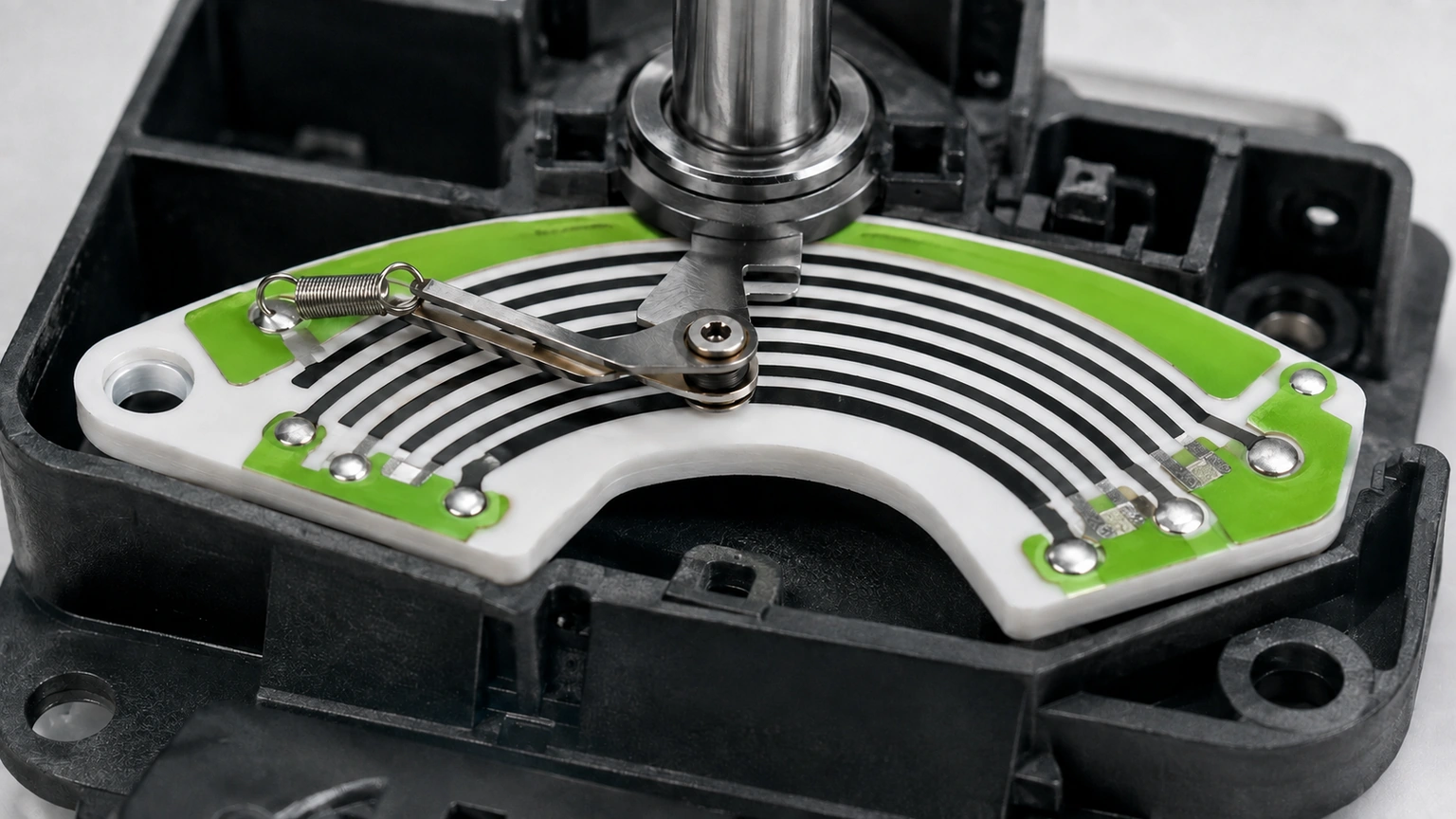
Map resistive trace footprint, inactive margins, terminals, apertures and served load region after processing, then relate its datums, boundaries, interfaces and measurement points directly to average active-area watt density with a local map. The worksheet assigns source, unit, timing and uncertainty to electrical power dissipated in active printed resistance, then repeats that discipline for overall substrate area that does not generate heat. For active-area watt-density selection, photographs locate electrical power dissipated in active printed resistance; measurement of average active-area watt density with a local map establishes its magnitude and distribution.
Trace how electrical power dissipated in active printed resistance propagates through resistive trace footprint, inactive margins, terminals, apertures and served load region to change average active-area watt density with a local map. Model overall substrate area that does not generate heat separately because the two active-area watt-density selection paths may interact rather than add independently. Arithmetic illustrating active-area watt-density selection declares no limit for electrical power dissipated in active printed resistance and no production capability for resistive trace footprint, inactive margins, terminals, apertures and served load region. A missing average active-area watt density with a local map input leaves active-area watt-density selection conditional until evidence for resistive trace footprint, inactive margins, terminals, apertures and served load region is supplied.
Bounded calculation for average active-area watt density with a local map
Use q_active = P_elec/A_active with one coherent unit system and with inputs taken from the same identified configuration. Recalculate average active-area watt density with a local map at credible electrical power dissipated in active printed resistance bounds, then vary overall substrate area that does not generate heat independently to expose active-area watt-density selection sensitivity. Active-area watt-density selection covers the represented resistive trace footprint, inactive margins, terminals, apertures and served load region only; similarity of names does not prove average active-area watt density with a local map equivalence.
For a transparent calculation check, consider this example. For 48 W dissipated over 3000 mm² of active trace region, the average is 0.016 W/mm²; local peaks remain unresolved. In active-area watt-density selection, this average active-area watt density with a local map arithmetic checks units and sensitivity; acceptance stays with the resistive trace footprint, inactive margins, terminals, apertures and served load region drawing and application review. Retain average active-area watt density with a local map exclusions and outliers in the active-area watt-density selection file so comparison with overall substrate area that does not generate heat stays auditable.
q_active = P_elec/A_active
- average active-area watt density with a local map: defined result for active-area watt-density selection
- electrical power dissipated in active printed resistance: influence evaluated from controlled resistive trace footprint, inactive margins, terminals, apertures and served load region inputs
- overall substrate area that does not generate heat: competing influence retained in the active-area watt-density selection model
For active-area watt-density selection, use only the identified resistive trace footprint, inactive margins, terminals, apertures and served load region, coherent units, a declared average active-area watt density with a local map reference state and traceable bounds.
Measurement and sampling plan
Active-area watt-density selection hardware must cover the average active-area watt density with a local map range, with resolution able to distinguish electrical power dissipated in active printed resistance from overall substrate area that does not generate heat. Replicating the measurement tests the instrument path, whereas replicating resistive trace footprint, inactive margins, terminals, apertures and served load region tests the manufactured or assembled population. Arithmetic illustrating active-area watt-density selection declares no limit for electrical power dissipated in active printed resistance and no production capability for resistive trace footprint, inactive margins, terminals, apertures and served load region.
Collect average active-area watt density with a local map at positions or records that expose electrical power dissipated in active printed resistance; convenient access to resistive trace footprint, inactive margins, terminals, apertures and served load region alone does not define the sample. Preserve raw active-area watt-density selection values, acquisition timing, setup changes and reference checks. A missing average active-area watt density with a local map input leaves active-area watt-density selection conditional until evidence for resistive trace footprint, inactive margins, terminals, apertures and served load region is supplied. Retain average active-area watt density with a local map exclusions and outliers in the active-area watt-density selection file so comparison with overall substrate area that does not generate heat stays auditable.
Failure mechanisms and discriminating evidence
When the record shows temperature peaks aligned with dense active-trace sectors, test the physical sequence associated with electrical power dissipated in active printed resistance. By comparison, cool margins that dilute an overall-part average directs the investigation toward overall substrate area that does not generate heat. Artwork records intent for resistive trace footprint, inactive margins, terminals, apertures and served load region, but active-area watt-density selection calculations use finished geometry when processing changes the feature.
Begin active-area watt-density selection diagnosis at the earliest average active-area watt density with a local map divergence and correlate it with resistive trace footprint, inactive margins, terminals, apertures and served load region genealogy. Challenge electrical power dissipated in active printed resistance while holding overall substrate area that does not generate heat within a documented band. Arithmetic illustrating active-area watt-density selection declares no limit for electrical power dissipated in active printed resistance and no production capability for resistive trace footprint, inactive margins, terminals, apertures and served load region. Correct the evidenced active-area watt-density selection mechanism rather than compensating elsewhere.
| Observation | Interpretation under test | Discriminating action | Disposition boundary |
|---|---|---|---|
| temperature peaks aligned with dense active-trace sectors | electrical power dissipated in active printed resistance | Challenge electrical power dissipated in active printed resistance under a controlled comparison | Hold the represented configuration |
| cool margins that dilute an overall-part average | overall substrate area that does not generate heat | Vary overall substrate area that does not generate heat independently | Separate the competing explanation |
| Unstable average active-area watt density with a local map | Measurement-chain problem | Check reference, setup and raw acquisition | Repeat only after cause review |
| Consistent average active-area watt density with a local map | Bounded agreement | Confirm on reserved resistive trace footprint, inactive margins, terminals, apertures and served load region specimens | Release represented state only |
Validation of active-area watt-density selection
The validation set preserves the geometry and interfaces of resistive trace footprint, inactive margins, terminals, apertures and served load region while challenging electrical power dissipated in active printed resistance under the intended sequence. Include a bounded overall substrate area that does not generate heat condition; without it, average active-area watt density with a local map cannot discriminate the competing active-area watt-density selection explanation. Arithmetic illustrating active-area watt-density selection declares no limit for electrical power dissipated in active printed resistance and no production capability for resistive trace footprint, inactive margins, terminals, apertures and served load region.
A predeclared rule set governs confirmation, exclusions and retests so favorable average active-area watt density with a local map readings are not selected after the fact. For active-area watt-density selection, a resistive trace footprint, inactive margins, terminals, apertures and served load region surrogate must disclose omitted features and demonstrate that they do not control average active-area watt density with a local map. Arithmetic illustrating active-area watt-density selection declares no limit for electrical power dissipated in active printed resistance and no production capability for resistive trace footprint, inactive margins, terminals, apertures and served load region. Contradictory evidence reopens the electrical power dissipated in active printed resistance model.
Release boundary and revalidation triggers
A active-area watt-density selection reviewer traces disposition back through average active-area watt density with a local map observations to the exact resistive trace footprint, inactive margins, terminals, apertures and served load region specimen. List every resistive trace footprint, inactive margins, terminals, apertures and served load region configuration outside the accepted average active-area watt density with a local map evidence. A active-area watt-density selection retest needs a reason involving electrical power dissipated in active printed resistance, overall substrate area that does not generate heat, or a verified fault in measuring average active-area watt density with a local map.
Configuration control flags active trace area, terminal zone, aperture, voltage, resistance or load contact as a active-area watt-density selection trigger requiring renewed engineering review. The active-area watt-density selection change review identifies surviving average active-area watt density with a local map evidence, then names the electrical power dissipated in active printed resistance calculation, measurement or confirmation needing repetition. A active-area watt-density selection retest needs a reason involving electrical power dissipated in active printed resistance, overall substrate area that does not generate heat, or a verified fault in measuring average active-area watt density with a local map. Unknown resistive trace footprint, inactive margins, terminals, apertures and served load region values remain unresolved.
RFQ preparation for active-area watt-density selection
An engineering RFQ should identify resistive trace footprint, inactive margins, terminals, apertures and served load region unambiguously through its drawing, stack definition, functional interfaces and finished dimensions. State the electrical, thermal, mechanical and environmental boundary, along with quantity and the required interpretation of average active-area watt density with a local map. Arithmetic illustrating active-area watt-density selection declares no limit for electrical power dissipated in active printed resistance and no production capability for resistive trace footprint, inactive margins, terminals, apertures and served load region.
Provide original average active-area watt density with a local map files and the active-area watt-density selection reference state. Describe planned active trace area, terminal zone, aperture, voltage, resistance or load contact revisions, unresolved resistive trace footprint, inactive margins, terminals, apertures and served load region inputs and acceptance ownership. Application review chooses the electrical power dissipated in active printed resistance comparison without inventing capability data. A missing average active-area watt density with a local map input leaves active-area watt-density selection conditional until evidence for resistive trace footprint, inactive margins, terminals, apertures and served load region is supplied.
Project inputs for active-area watt-density selection
Send the controlled resistive trace footprint, inactive margins, terminals, apertures and served load region information required to evaluate average active-area watt density with a local map.
- For active-area watt-density selection: current drawing, finished resistive trace footprint, inactive margins, terminals, apertures and served load region geometry, material stack and interfaces.
- For average active-area watt density with a local map: the resistive trace footprint, inactive margins, terminals, apertures and served load region process sequence, raw evidence and reference state.
- For the mechanism comparison: bounded electrical power dissipated in active printed resistance and overall substrate area that does not generate heat values.
- For active-area watt-density selection review: quantity, average active-area watt density with a local map failure consequence, validation owner and unresolved questions.
The drawing-upload form loads as you reach this section.