
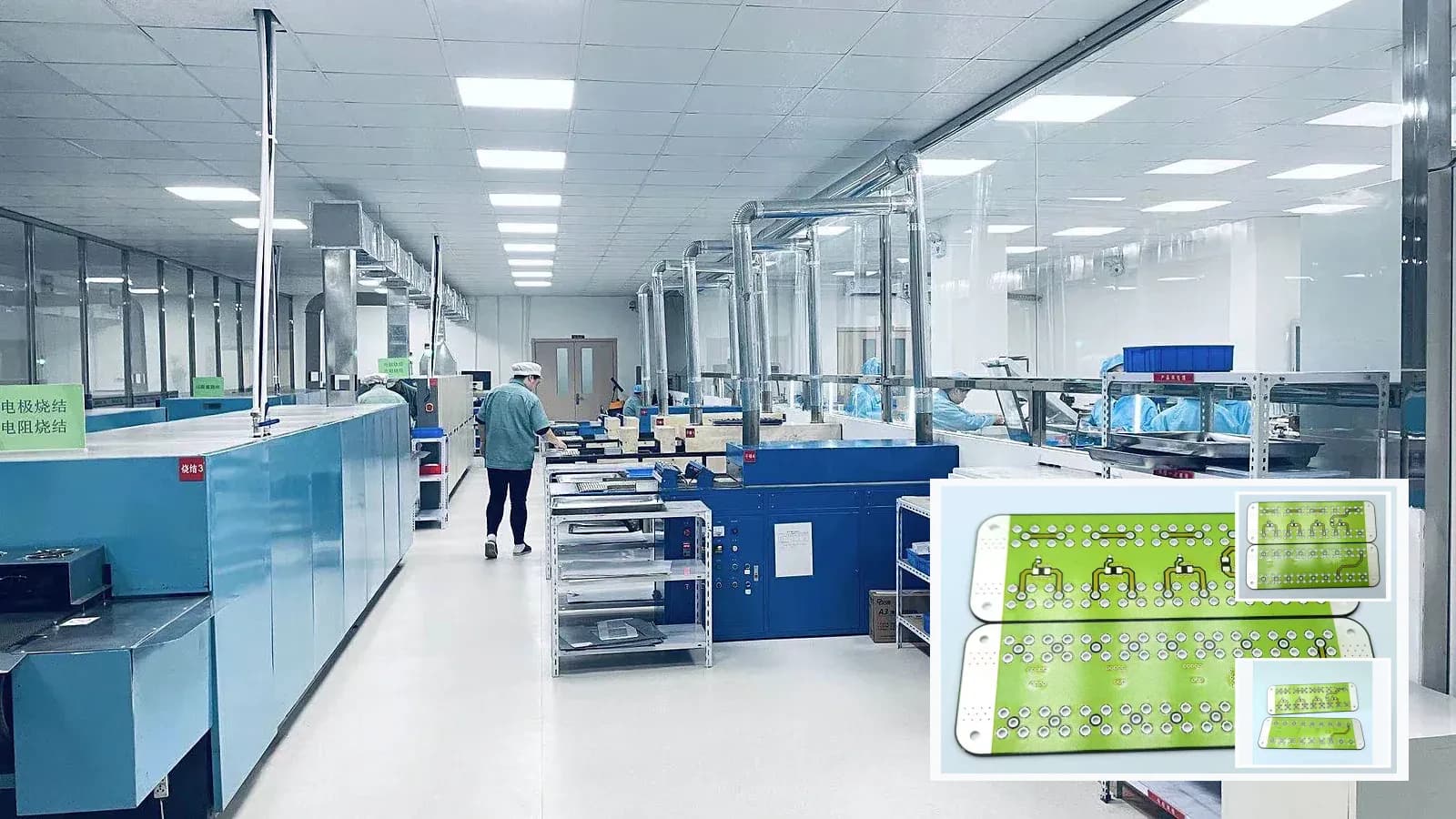
Overview
This process control record treats Prototype-to-Batch Process Transfer as a controlled release sequence rather than a machine-list claim. It connects incoming inputs, process variables, inspection points, exceptions, and traceability to the failure each control prevents.
Control sequence
The order makes assumptions and ownership visible before a result is promoted to a requirement.
- 01
Release the input revision
For Prototype-to-Batch Process Transfer, close remaining assumptions and link the quoted or released scope to the drawing revision, evidence set, owner, and change-control plan.
- 02
Confirm materials and tooling
For Prototype-to-Batch Process Transfer, document the functional requirement, operating boundary, interfaces, quantities, and acceptance owner against the current drawing.
- 03
Control the process window
For Prototype-to-Batch Process Transfer, complete control the process window against the controlled drawing, named assumptions, responsible owner, required evidence, and release decision.
- 04
Measure the critical output
For Prototype-to-Batch Process Transfer, agree the inspection method, sample plan, acceptance criteria, traceability, and report format before validation.
- 05
Record exceptions and disposition
For Prototype-to-Batch Process Transfer, complete record exceptions and disposition against the controlled drawing, named assumptions, responsible owner, required evidence, and release decision.
Engineering review matrix
Each row links a design variable to evidence that can support a drawing or release decision.
| Variable | Control question | Verification route |
|---|---|---|
| Record ownership | For Prototype-to-Batch Process Transfer, drawing, specification, material, program, traveler, inspection, certificate, deviation, and release records need owners and revisions. | Audit the link from requirement through output and disposition. |
| Change boundary | Customer, supplier, material, tooling, program, method, equipment, site, and process changes need risk review. | Record affected items, reason, approval, validation, effective lot, and containment. |
| Lot identity | Incoming lots, work order, split/merge, rework, samples, packaging, and shipment must remain reconcilable. | Perform backward and forward trace using a controlled sample. |
| Evidence scope | A photo, certificate, report, checklist, or equipment record supports only its controlled scope. | Verify validity, relevance, method, result, redaction, and permission. |
| Buyer handoff | RFQ assumptions, deviations, inspection output, labels, documents, and retention must be agreed. | Review the shipment or service pack against purchase and release requirements. |
Failure controls
These are review prompts, not evidence that every risk applies or that every test is available.
- A
Revision mismatch across customer files, artwork, program, traveler, and inspection
- B
Unapproved substitution or process change escaping review
- C
Trace break at lot split, rework, subcontract, packaging, or shipment
- D
Evidence reused outside date, product, method, organization, or legal scope
Inputs for a practical review
Unknown values may be labelled unknown. The review should convert uncertainty into an explicit decision or validation task.
Send Drawings- 01
Controlling drawings, specifications, revisions, and roles
- 02
Material, tooling, program, method, and process records
- 03
Lot, rework, deviation, change, packaging, and shipment identifiers
- 04
Inspection, certificate, retention, language, and access needs
- 05
Notification, approval, audit, and release expectations