
On this page
Aluminum nitride circuit substrates require handling and cleaning decisions tied to the actual ceramic grade, surface finish and metallization state. A procedure suitable for a bare alumina plate is not automatically suitable for a finished AlN circuit. Storage, moisture exposure, cleaning chemistry and drying can change the condition presented to printing, bonding or electrical inspection. Define these operations as controlled interfaces between process stages so contamination and surface changes are not confused with an intrinsic material limitation.
Key design decisions
- Identify the AlN grade and whether the exposed surface is bare, metallized, glazed or already assembled.
- Obtain material-specific handling and cleaning guidance instead of inferring compatibility from the word ceramic.
- Record exposure and drying history when comparing adhesion, leakage, wetting or bonding behavior.
Identify which surface the next operation actually contacts
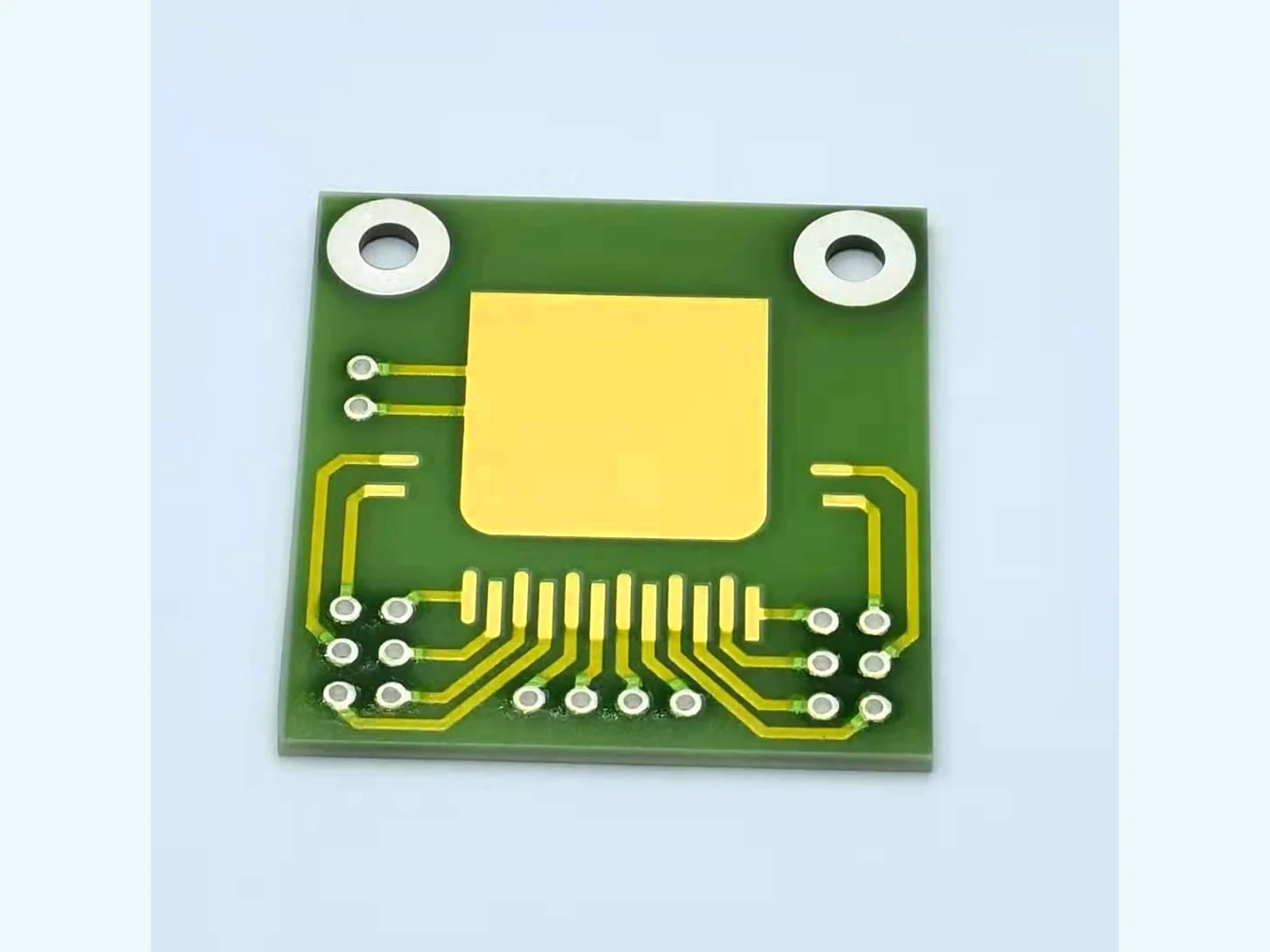
An AlN substrate can present bare ceramic, fired metallization, plated metal, adhesive or protective glass in different regions. A cleaning fluid that contacts one surface may also reach another through a hole or edge. Map the exposed materials before selecting a cleaning method.
Distinguish a bare AlN substrate from a metallized or otherwise processed surface. Handling must protect the finished surface system, not just the bulk ceramic. Retain the material grade, finish and process state in the work record so a result can be traced to the surface that was actually evaluated.
Inspect incoming condition before changing it
Photograph relevant regions and record packaging, visible particles, stains and edge damage before cleaning. This preserves the ability to distinguish incoming condition from effects introduced by the preparation process. A uniformly colored surface is not proof of cleanliness, and a visible color difference does not automatically mean functional damage.
Check the supplier's packaging and storage instructions for the specific product. If a package has been opened or exposed outside its intended conditions, record the duration and environment. Do not silently return the material to an unopened status after repacking. The next process needs the actual history when interpreting wetting or electrical variation.
Treat moisture exposure as a defined condition
Record whether exposure involved ambient humidity, condensation, immersion or a cleaning solution. These are different conditions with different temperatures, durations and dissolved contaminants. A general label such as wet storage is too vague to support a technical comparison.
Avoid assuming a universal safe exposure time or a universal failure mechanism for all AlN grades. Surface state, additives, finishes and process chemistry matter. If moisture compatibility is important, obtain the applicable material guidance and compare the actual surface before and after a bounded exposure that represents the intended operation.
Choose a method from the contamination and compatibility question
Define what must be removed: loose particles, handling residue, machining residue or flux from an assembly step. The appropriate method depends on the contaminant and on every material that the method touches. Increasing chemical strength or ultrasonic energy without a defined reason can introduce a new variable rather than improve control.
For a proposed change, document chemistry, concentration where applicable, temperature, contact time, agitation and rinse conditions. Keep the selected method within material and equipment safety guidance. Cleaning a circuit is not an opportunity to improvise chemical mixtures or apply an unverified treatment borrowed from a different ceramic process.
Match the surface state to the verification
The useful acceptance check depends on the operation that follows cleaning. A surface prepared for printing needs different evidence from an assembled circuit cleaned after soldering. Choose a functional check alongside the appearance review.
| Surface or process state | Question to answer | Relevant follow-up |
|---|---|---|
| Bare substrate before printing | Is the surface compatible with the selected paste? | Controlled print and fired-interface comparison |
| Metallized bond region | Has handling changed bondability? | Surface review and the specified bond evaluation |
| Soldered assembly | Can residue be removed without damaging other materials? | Joint inspection and electrical checks |
| Glazed circuit with open pads | Are pad windows clean and unobstructed? | Finished-window and contact inspection |
| Moisture-exposed material | Did the actual exposure alter the required function? | Before-and-after surface and functional measurements |
Define the dry state needed by the next operation
Drying should remove the relevant liquid without exceeding the limits of the ceramic system, printed layers, adhesive or assembled components. A visually dry top face does not prove that liquid has left a small gap beneath a component or an internal package region. Identify where liquid can remain and how the selected method addresses it.
Record the drying sequence and the time between drying and the next operation. If the surface is handled or stored again, that interval becomes part of its condition. For electrical tests sensitive to moisture, distinguish in-environment measurements from measurements made after drying, because they answer different questions about the circuit.
Separate cleaning effects from process variation
Use equivalent material from a traceable source and retain an unchanged comparison group. Apply the proposed cleaning method to one group while holding paste, printing, firing or bonding conditions constant. Compare the specific function of interest, not only surface appearance.
If adhesion changes, examine the failure location. If leakage changes, keep voltage, humidity and measurement timing consistent. If solder wetting changes, preserve the solder and flux conditions. These controls prevent a difference caused by later processing from being attributed to the cleaning step simply because it was the most visible change.
Keep the sample orientation and surface region consistent when comparing images or measurements. A center region protected by packaging may differ from an edge exposed during handling. If the intended process contacts only one face, identify that face explicitly and check whether liquid or residue can nevertheless reach the opposite surface through holes or around the perimeter.
Transfer the surface without adding new contamination
Specify the permitted contact regions, handling tools and storage containers between preparation and the next operation. Protect bondable and solderable areas from direct contact where practical. A clean substrate placed on an uncontrolled bench can lose the benefit of a carefully defined preparation sequence.
The handoff record should identify the material and finish, preparation method, exposure history and current process state. Reopen the review when a material grade, coating, adhesive or cleaning chemistry changes. Keeping these details with the circuit avoids both overreacting to harmless visual differences and overlooking a surface change that affects the next manufacturing step.
Provide the AlN surface and exposure history
Send the actual material state and the function that the preparation process must support.
- AlN grade, surface finish, metallization and protective-layer map, including exposed edges and holes.
- Incoming packaging condition, storage environment and any humidity, condensation or liquid exposure.
- Cleaning and drying chemistry, temperature, duration, agitation and the next planned operation.
- Before-and-after images and relevant adhesion, wetting, bonding or electrical measurements.
The drawing-upload form loads as you reach this section.