
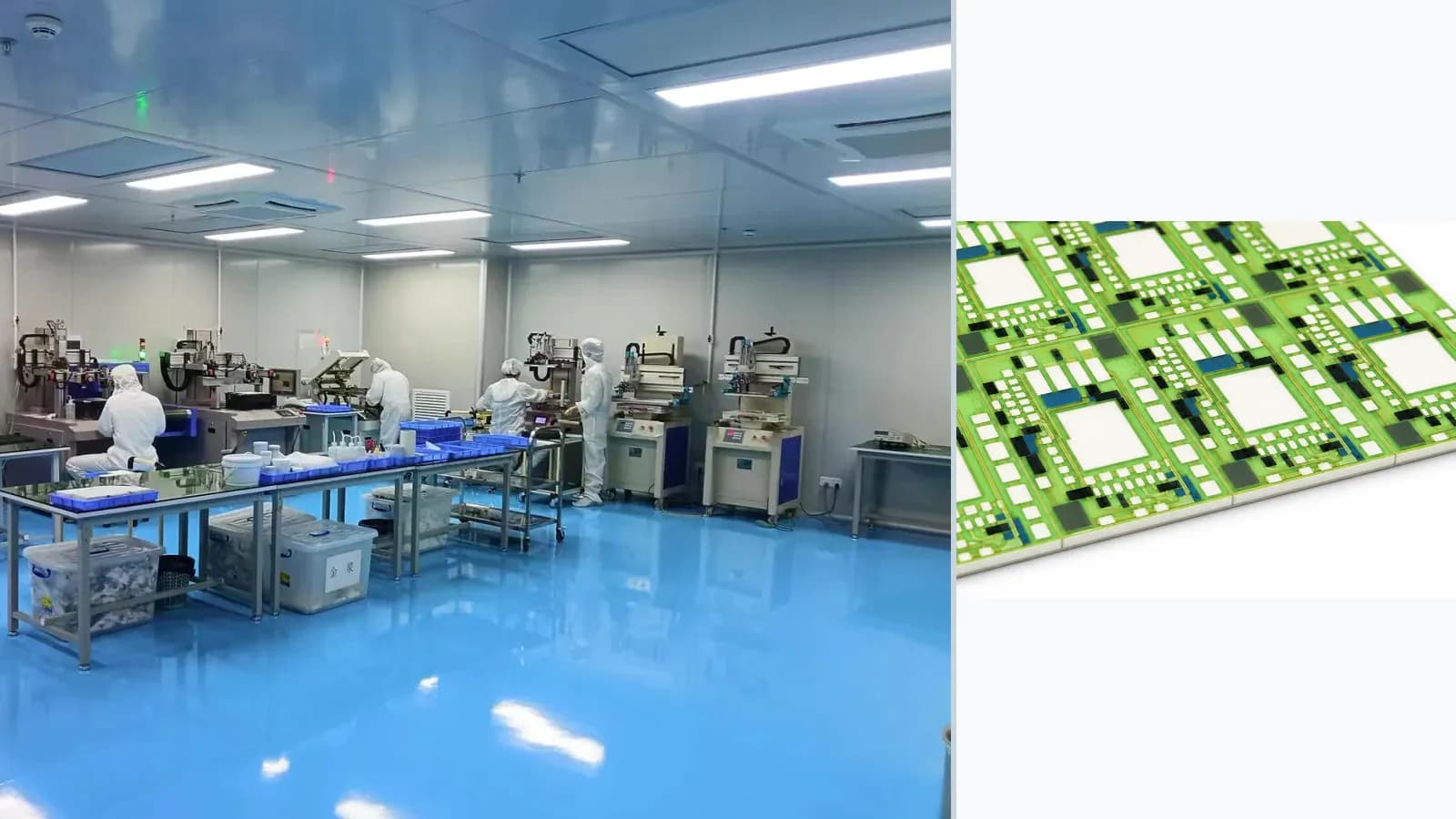
Overview
this technical guide organizes the design decisions behind Copper Thick Film Paste and Atmosphere Processing. It explains which variables interact, which assumptions must be explicit, how calculations are bounded, and which measurements turn a design value into a released requirement.
Engineering review matrix
Each row links a design variable to evidence that can support a drawing or release decision.
| Variable | Control question | Verification route |
|---|---|---|
| Named material system | For Copper Thick Film Paste and Atmosphere Processing, composition family, revision, lot, storage, conditioning, substrate, and companion layers define the usable system. | Approve against current data and trials; literature values are not finished-part limits. |
| Processing route | Print method, deposit, drying, atmosphere, peak, dwell, refires, cure, and sequence control final film behavior. | Record the route used for representative samples and inspect the processed layer. |
| Functional interface | Conductivity, sheet resistance, adhesion, soldering, bonding, contact wear, insulation, or protection must match the real interface. | Test the intended assembly process and acceptance criterion. |
| Geometry and topography | Line definition, thickness, overlap, coverage, edges, pores, and underlying steps influence performance and yield. | Specify and inspect geometries that control function. |
| Environment and aging | Temperature, humidity, bias, sulfur, fuels, oils, chemicals, cleaning, and cycling can change the stack. | Select exposures from the application and measure function before and after. |
Engineering method
The order makes assumptions and ownership visible before a result is promoted to a requirement.
- 01
State the governing function
For Copper Thick Film Paste and Atmosphere Processing, complete state the governing function against the controlled drawing, named assumptions, responsible owner, required evidence, and release decision.
- 02
Identify coupled variables
For Copper Thick Film Paste and Atmosphere Processing, document the functional requirement, operating boundary, interfaces, quantities, and acceptance owner against the current drawing.
- 03
Calculate a bounded first pass
For Copper Thick Film Paste and Atmosphere Processing, complete calculate a bounded first pass against the controlled drawing, named assumptions, responsible owner, required evidence, and release decision.
- 04
Prototype the critical interaction
For Copper Thick Film Paste and Atmosphere Processing, complete prototype the critical interaction against the controlled drawing, named assumptions, responsible owner, required evidence, and release decision.
- 05
Release measured design rules
For Copper Thick Film Paste and Atmosphere Processing, control dimensions, datums, layer stack, interfaces, tolerances, and assembly constraints in the released drawing.
Failure controls
These are review prompts, not evidence that every risk applies or that every test is available.
- A
Incompatibility across substrate, conductor, resistor, dielectric, or protection
- B
Adhesion, solderability, bondability, or drift after an incorrect sequence
- C
Migration, corrosion, leakage, wear, or chemical attack
- D
Variation from storage, conditioning, lot change, deposit, or refire history
Inputs for a practical review
Unknown values may be labelled unknown. The review should convert uncertainty into an explicit decision or validation task.
Send Drawings- 01
Substrate and complete printed/deposited stack
- 02
Material revision, storage, conditioning, and lot control
- 03
Printing/deposition, drying, firing/cure, atmosphere, and sequence
- 04
Joining/contact function and downstream assembly
- 05
Electrical, adhesion, environmental, aging, and appearance criteria