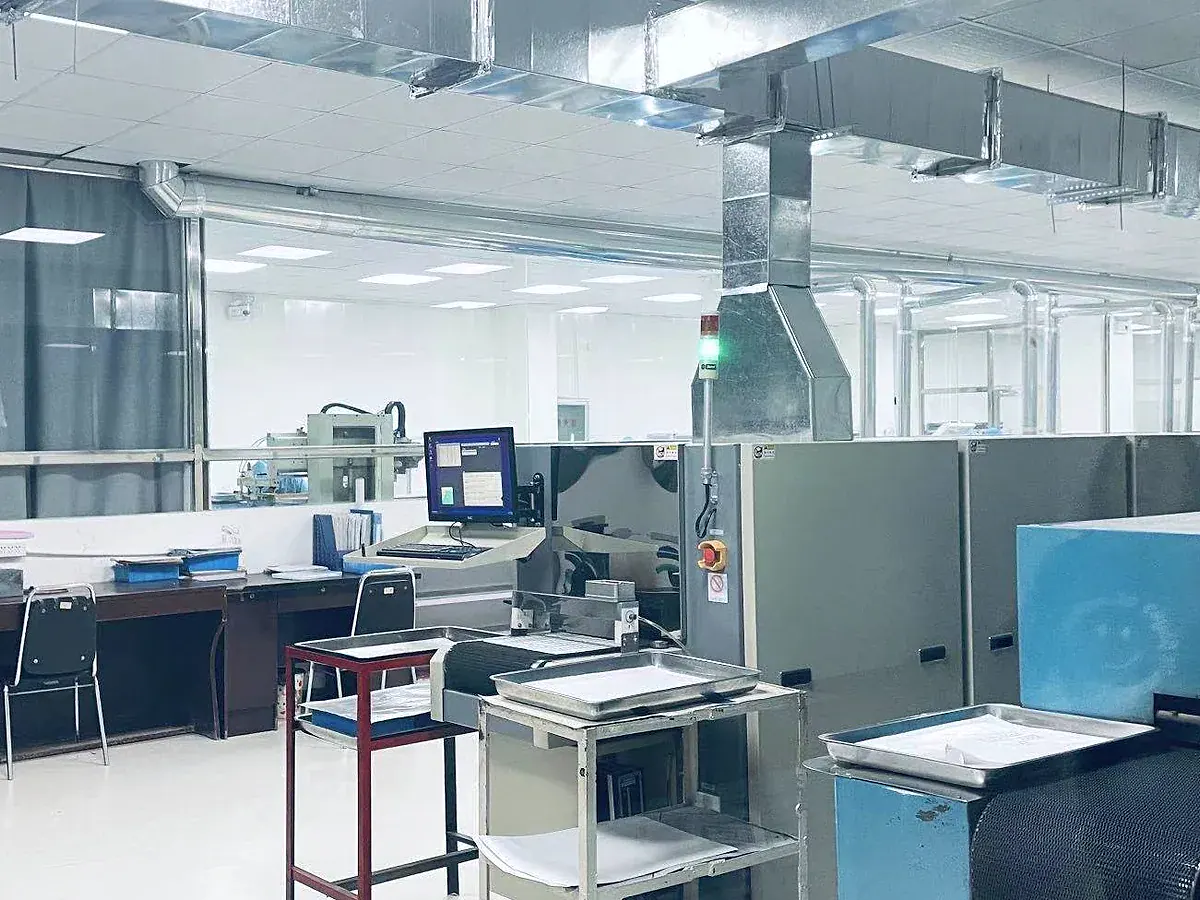
The firing profile removes organics, develops the paste-substrate interface and consolidates the functional film. Peak temperature matters, but ramp, burnout, time in the active zone, atmosphere, cooling and furnace loading matter too.
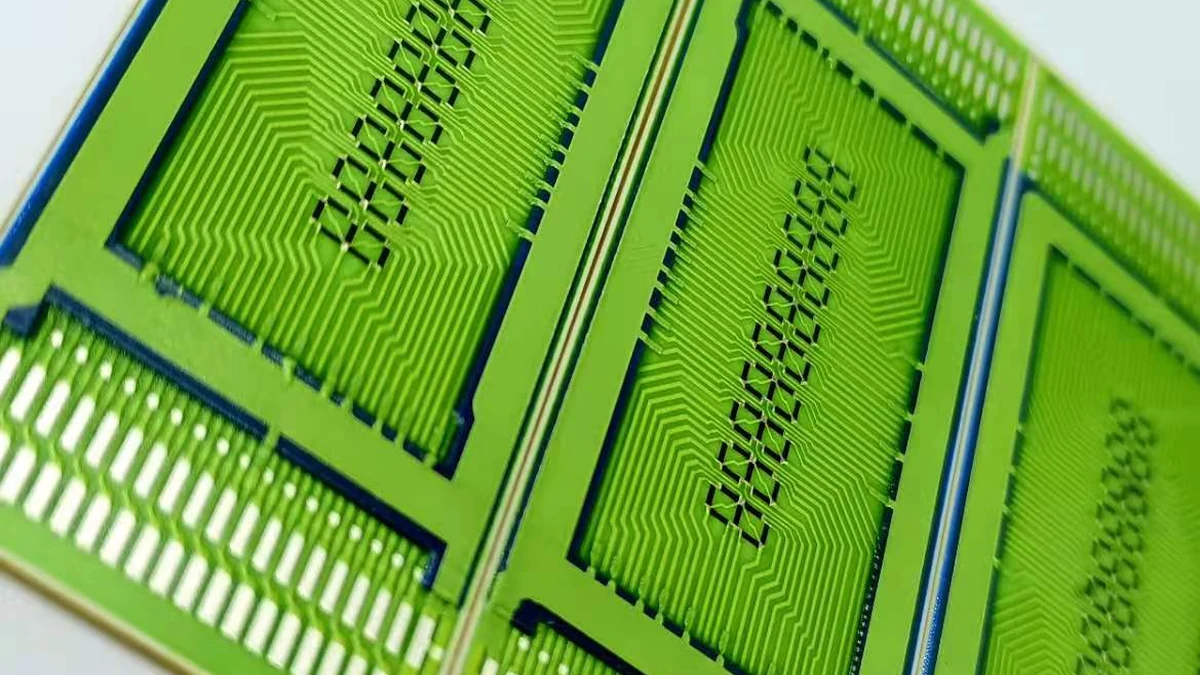
Multilayer thick film is manufactured as a sequence of surfaces. Every print, dry and fire changes the base for the next layer, so the order must protect registration, compatibility, access and the properties of earlier films.
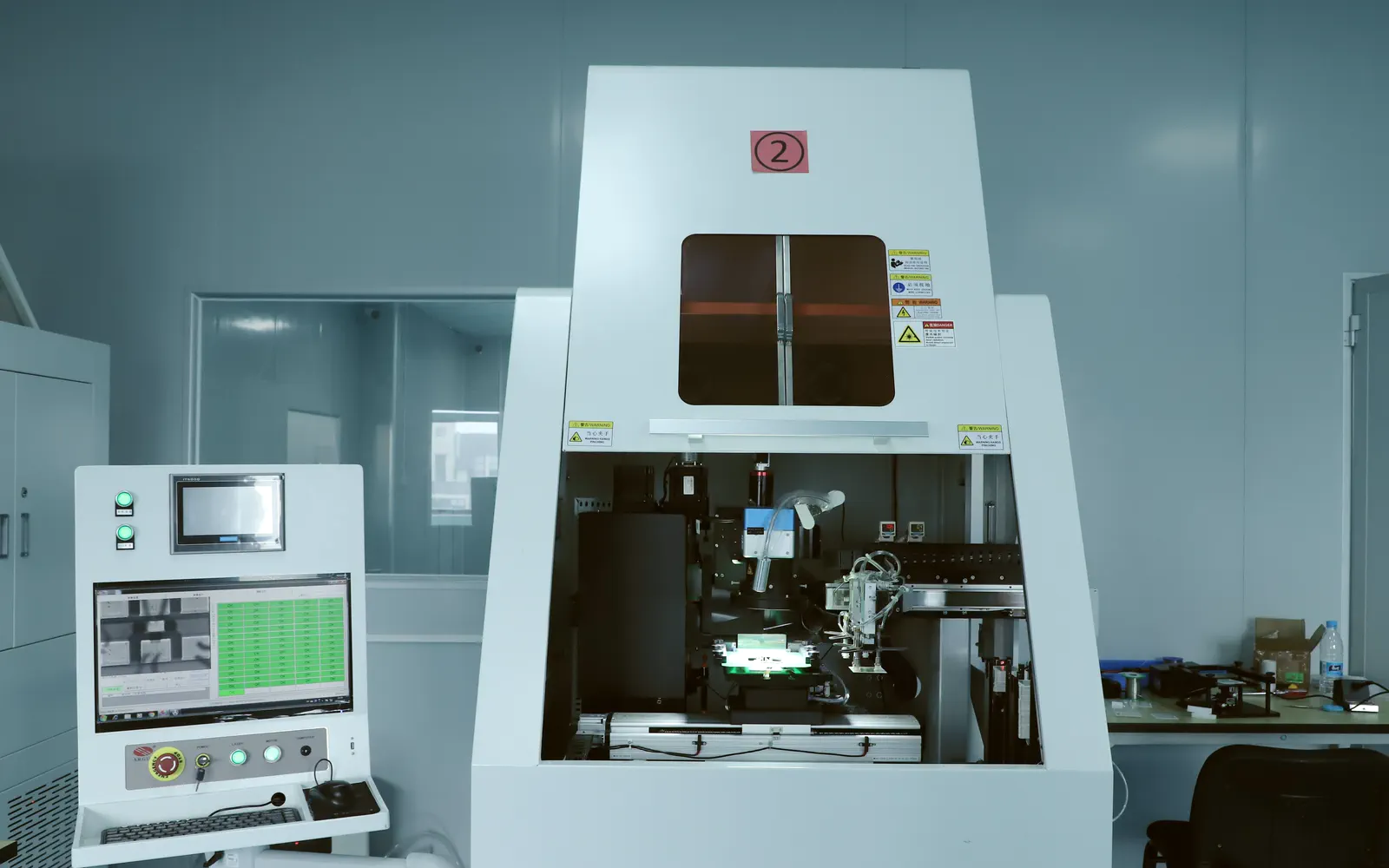
Laser trimming can convert a broad as-fired resistor distribution into accurate final values, but the cut also reshapes current density and local stress. Stable trimming begins with a good as-fired target and controlled geometry.
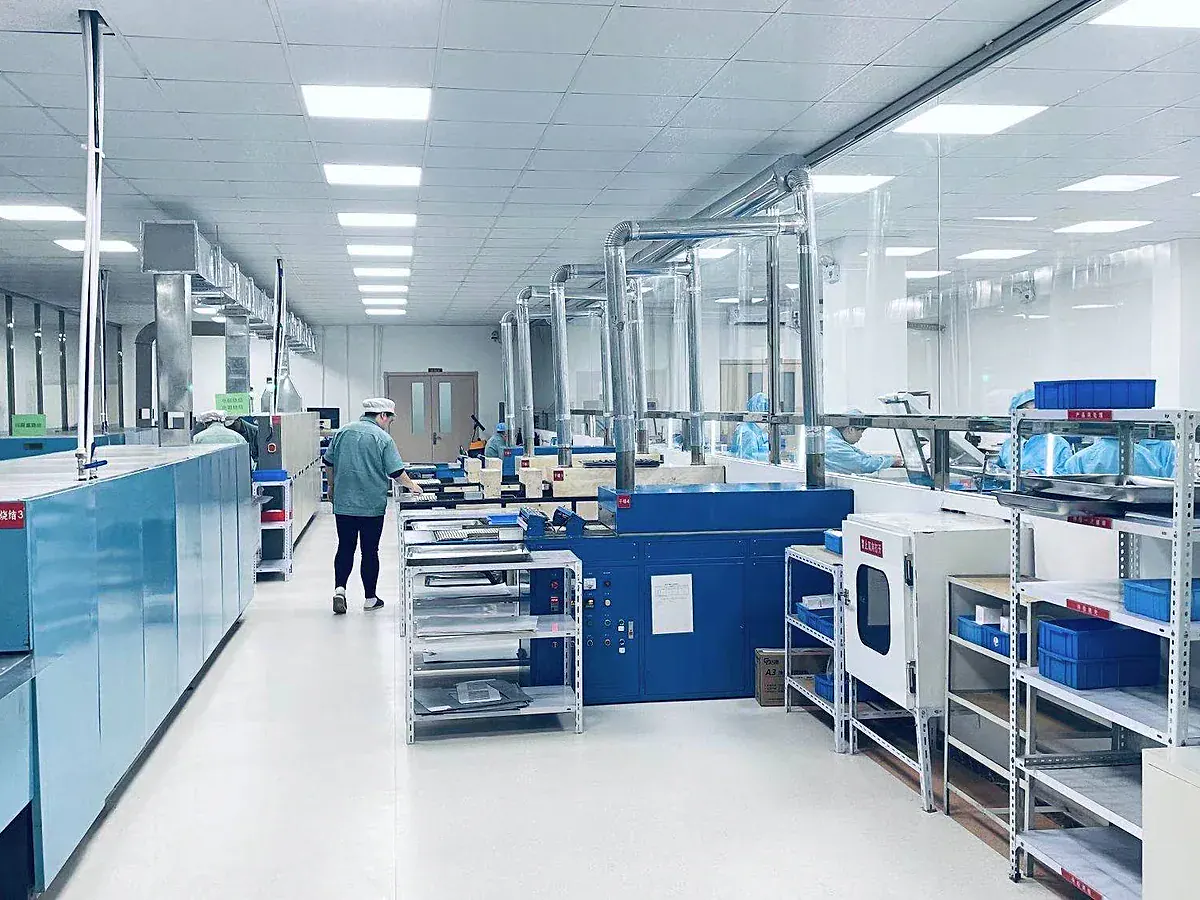
A practical screen-cleaning sequence that protects mesh and stencil condition while controlling solvent exposure, cross-contamination, and silver-bearing waste.
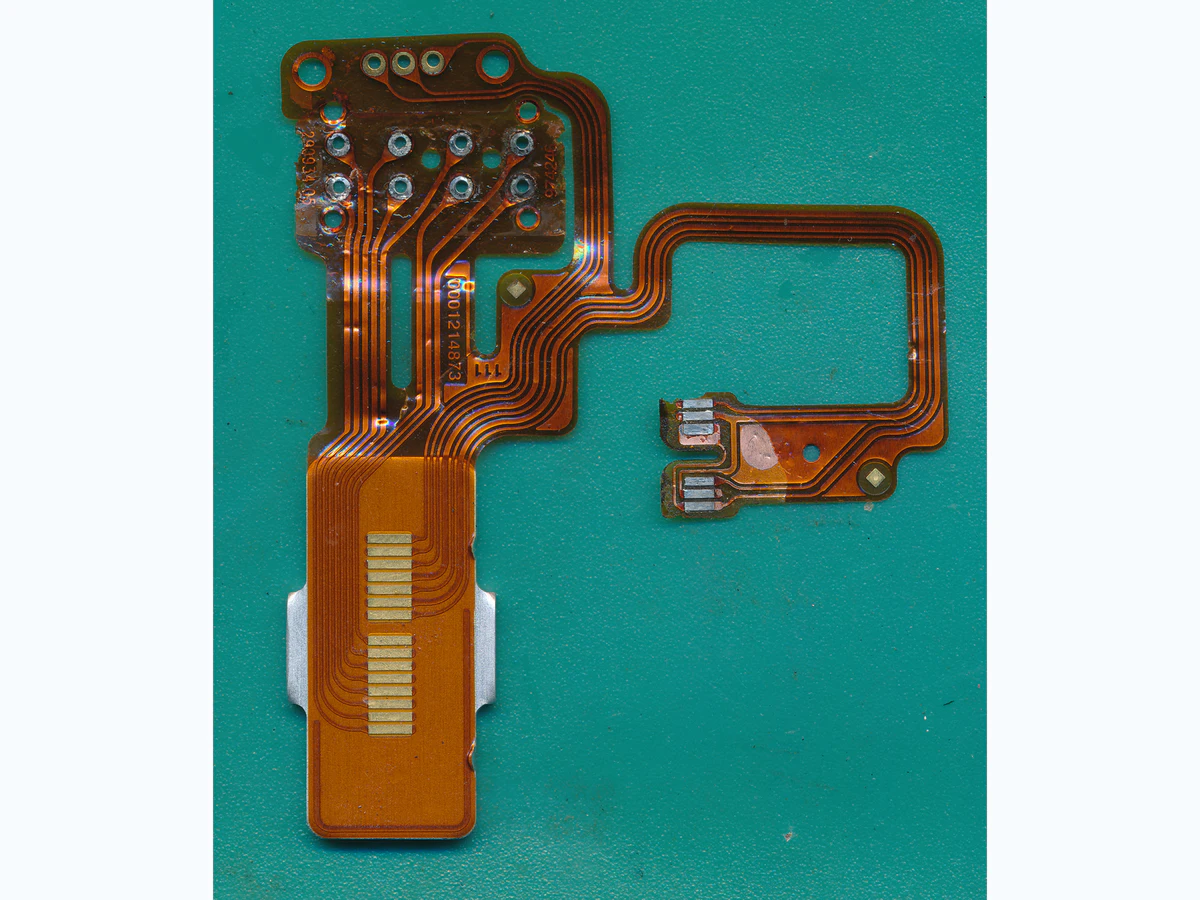
A production-oriented handling sequence for conditioning, mixing, printing, replenishment, drying or curing, inspection, and container close-out.
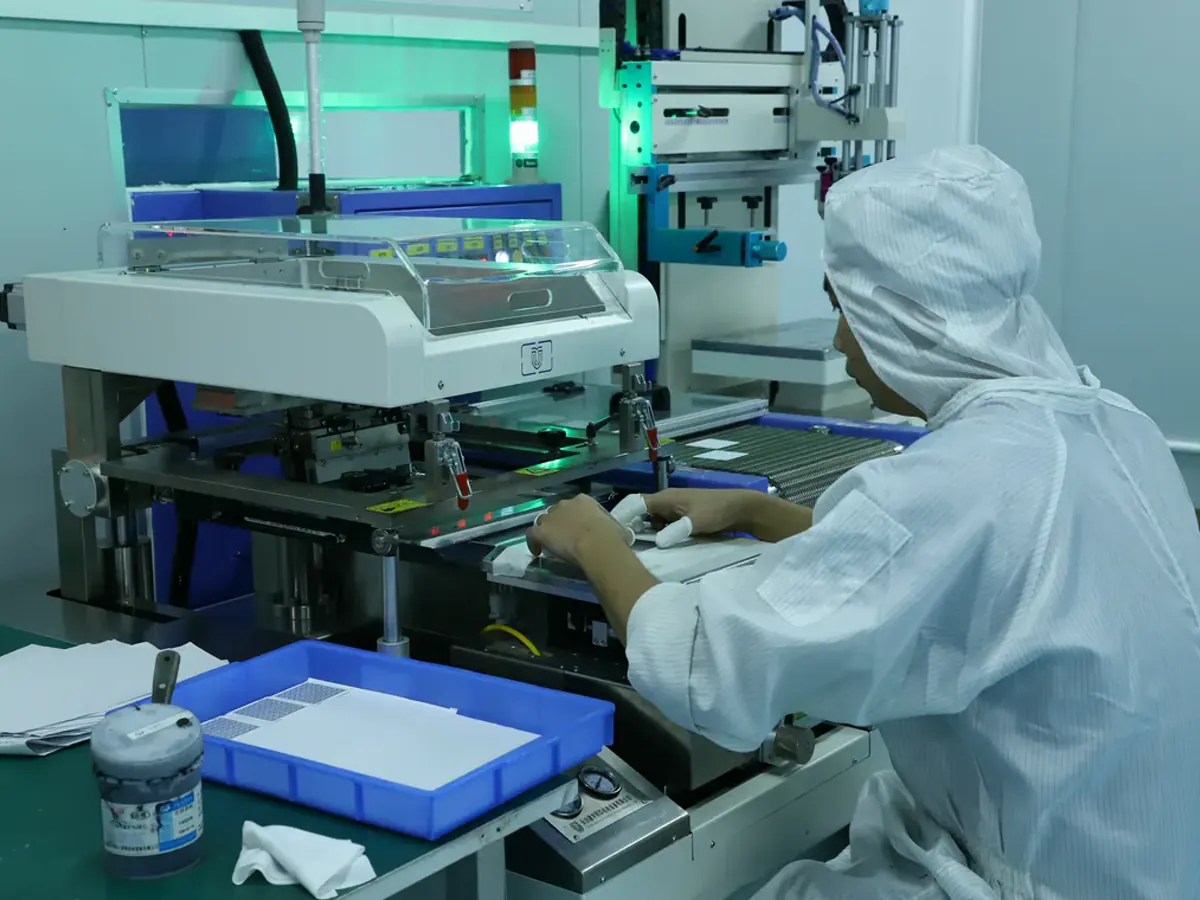
An engineering explanation of rest viscosity, yield stress, shear thinning, viscoelasticity, thixotropic recovery, and how each stage appears in printed geometry.
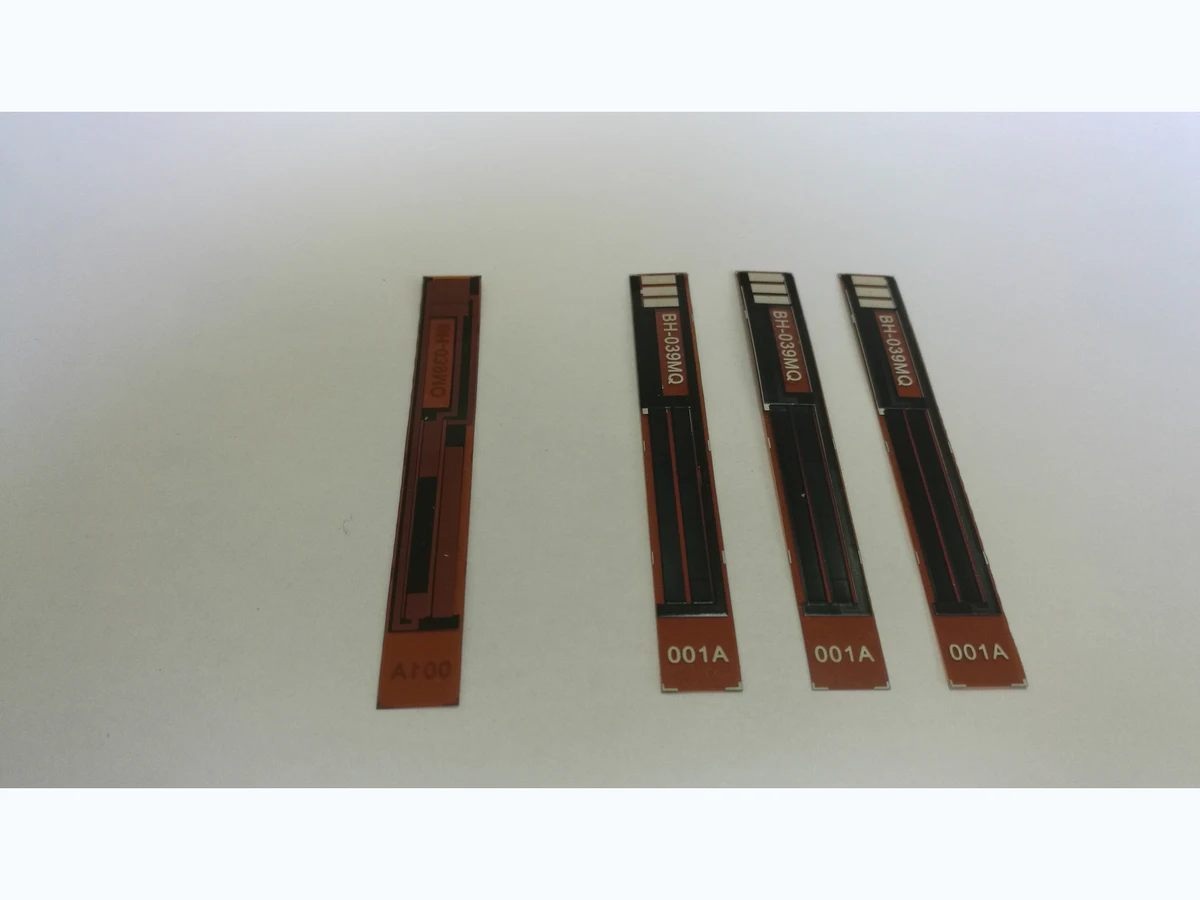
A design and test guide to silver electrochemical migration under moisture and electrical bias, with practical controls for flexible sensors and membrane-style circuits.
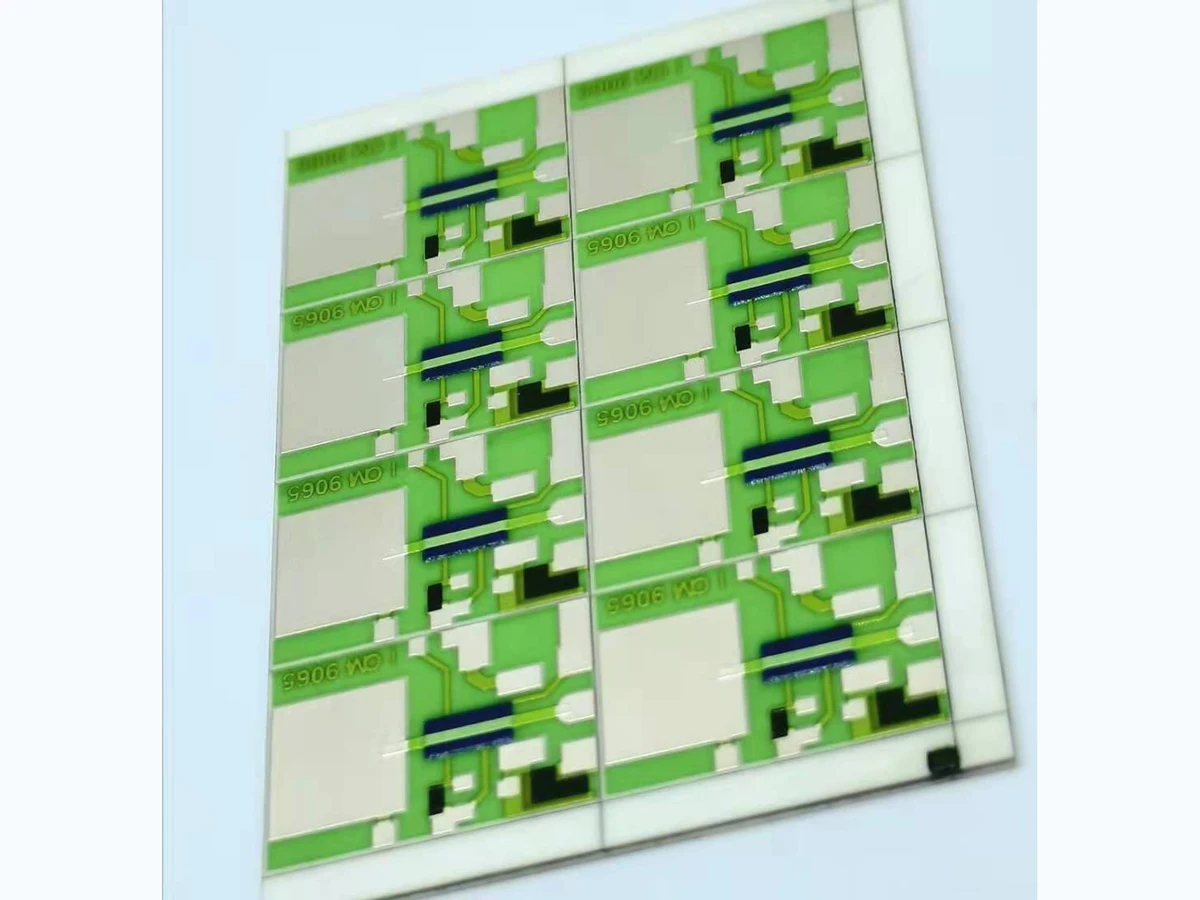
A practical explanation of how material compatibility, screen printing, drying, firing, laser trimming, and inspection interact in a real thick film circuit process.
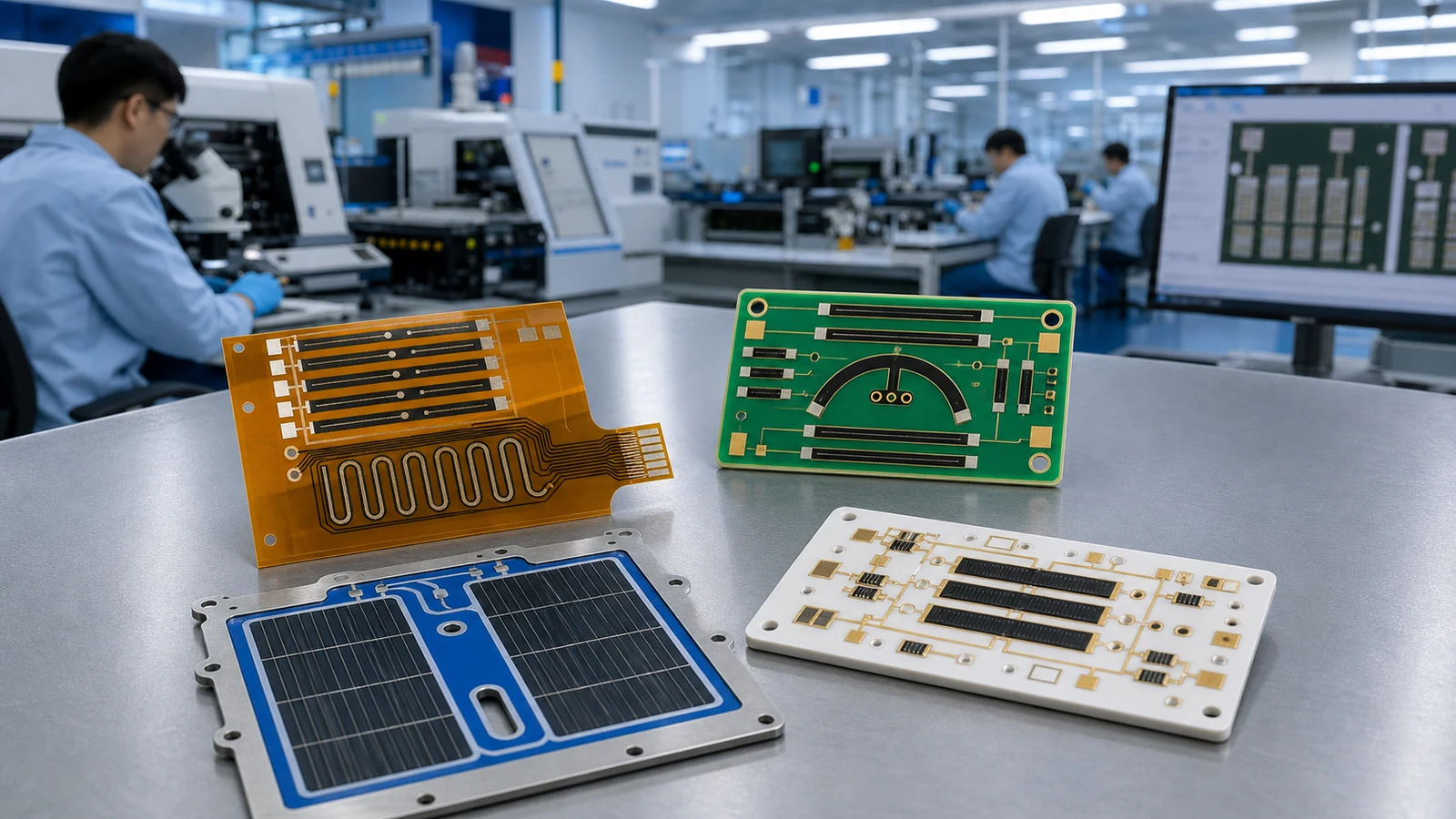
Engineering guidance for thick film circuit materials, process selection, screen printing, firing, laser trimming, inspection, applications, and RFQ preparation.
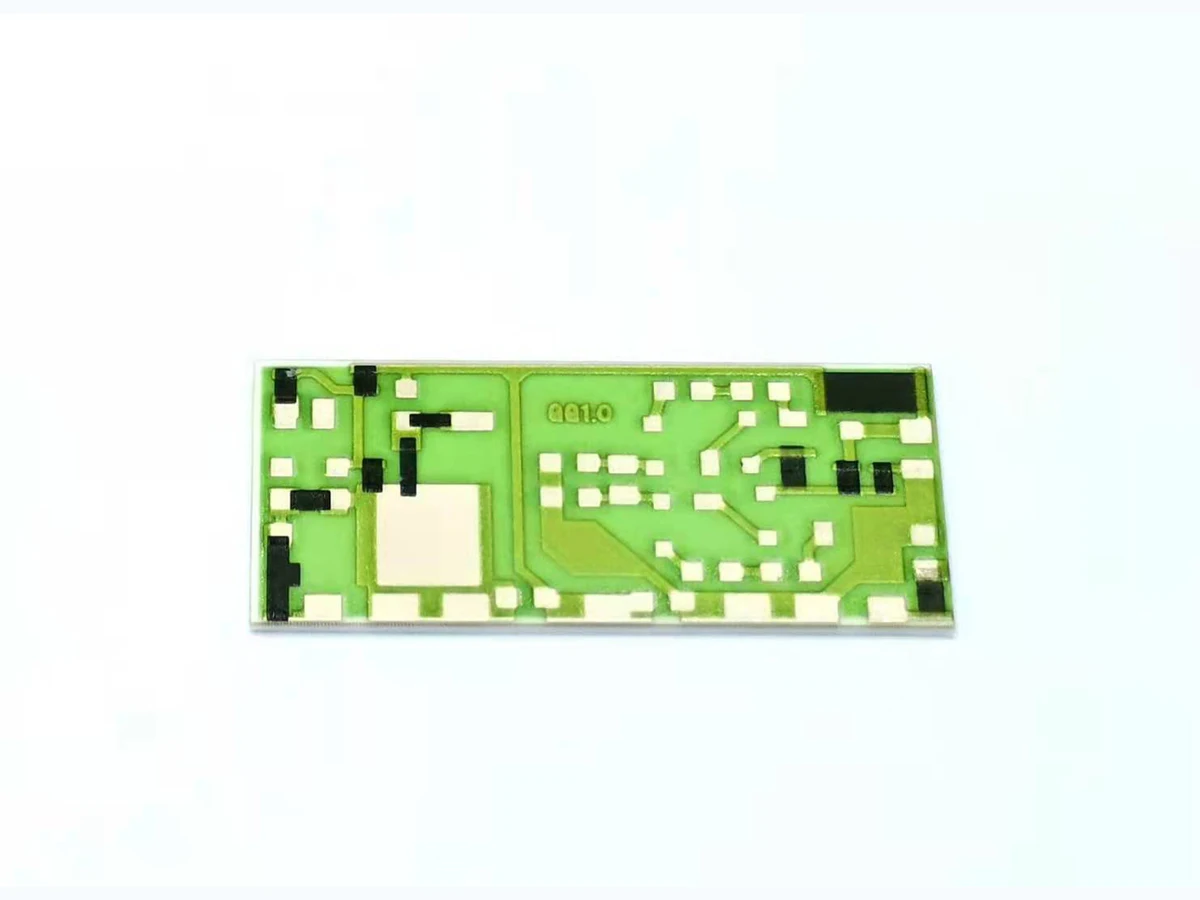
A structured way to investigate unexpectedly low or high resistance in printed silver conductors without adjusting printer settings before the measurement and geometry are verified.