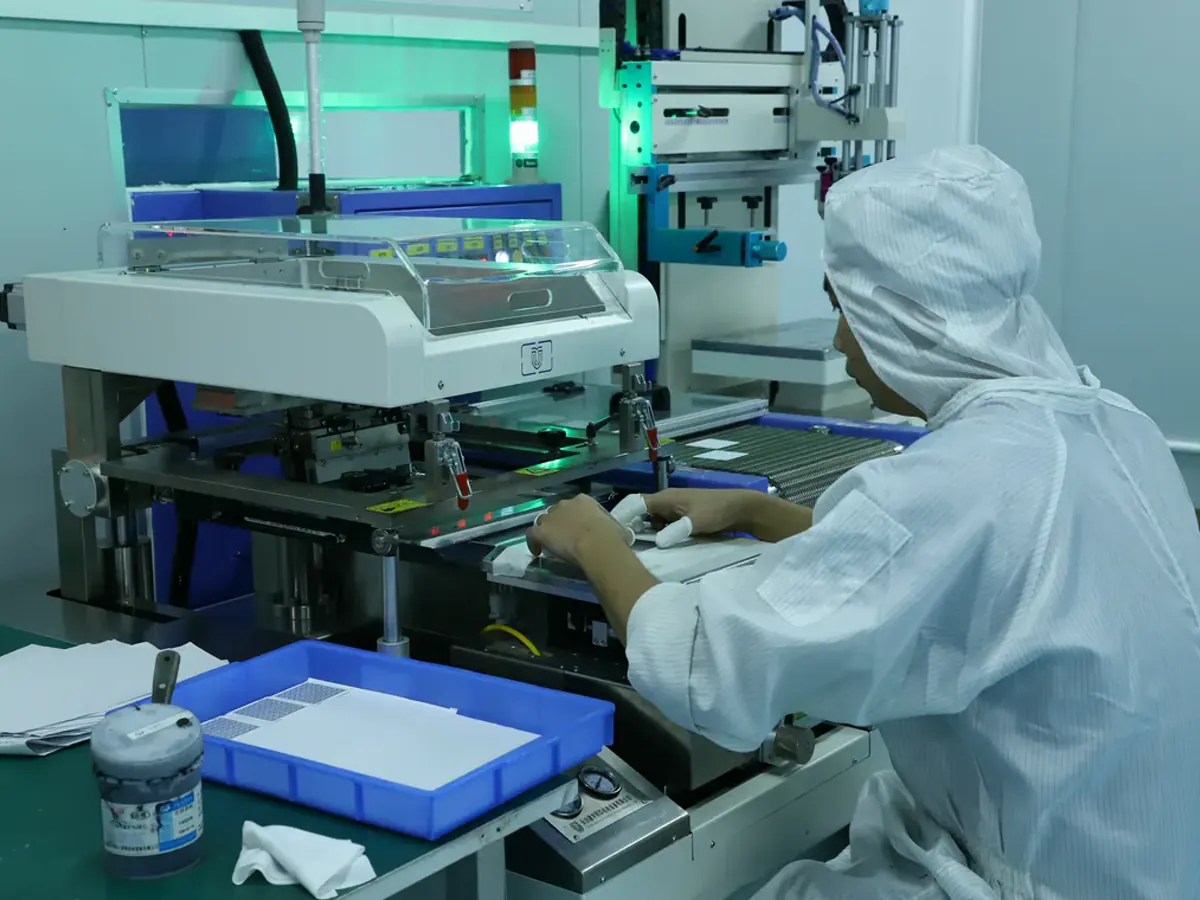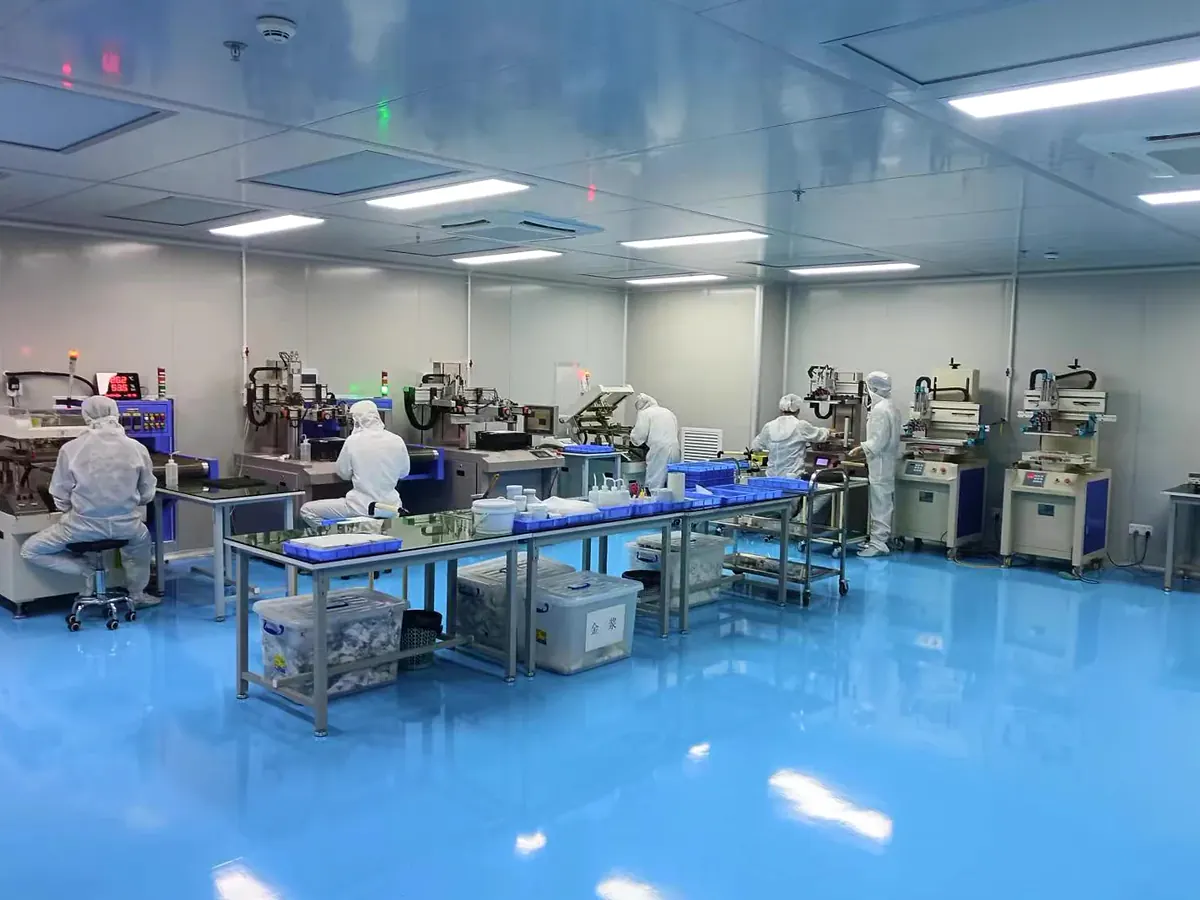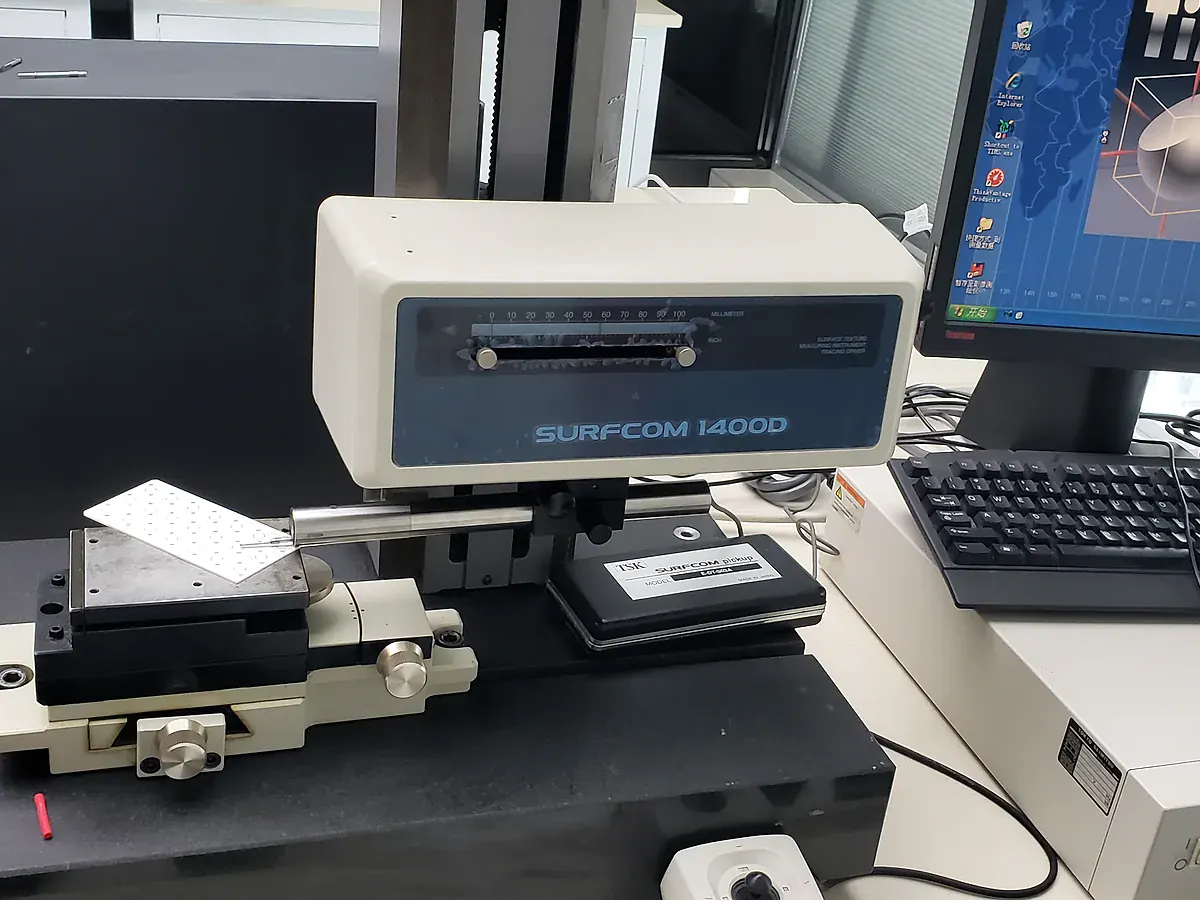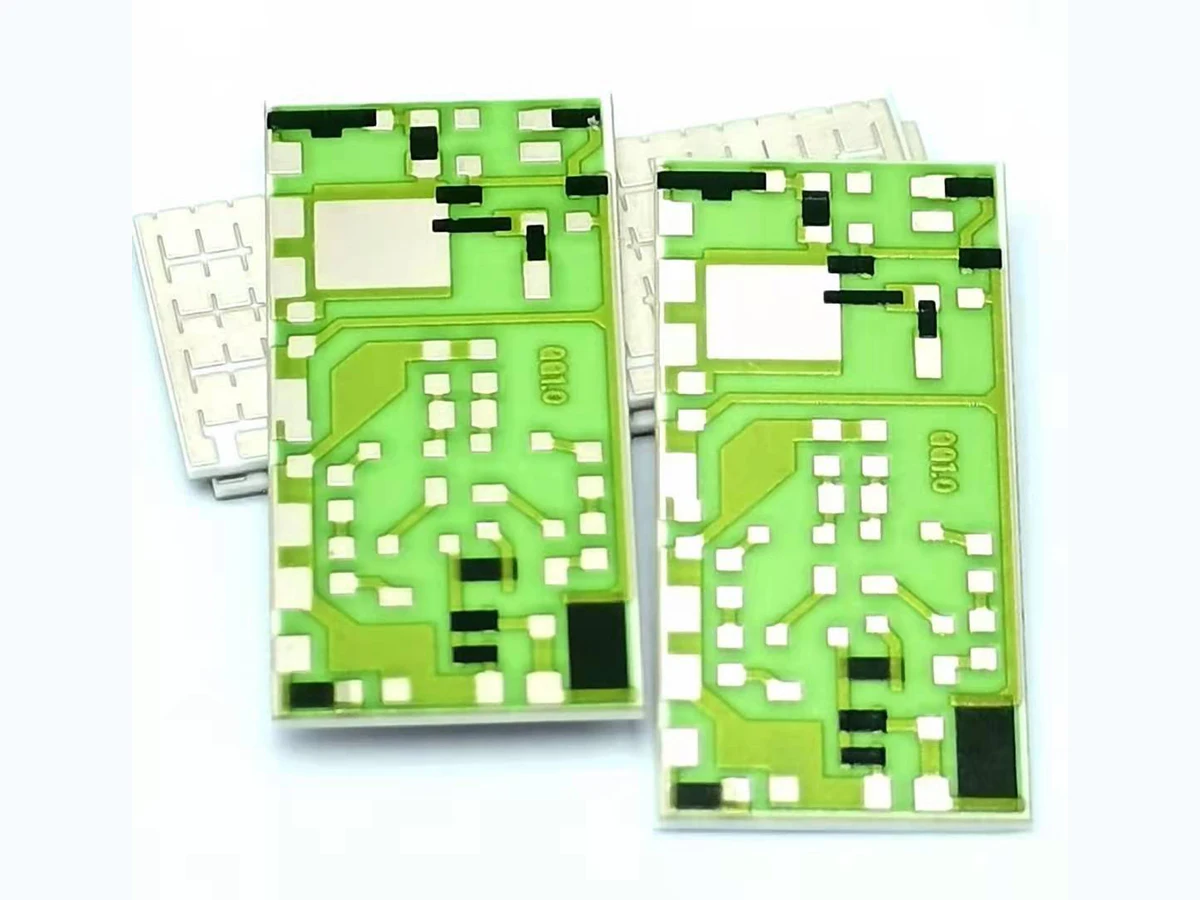
Ruthenium-oxide resistor pastes create a controllable conducting network inside a glassy fired matrix. Sheet resistance, TCR, noise and stability emerge from that microstructure and its interaction with geometry and firing.
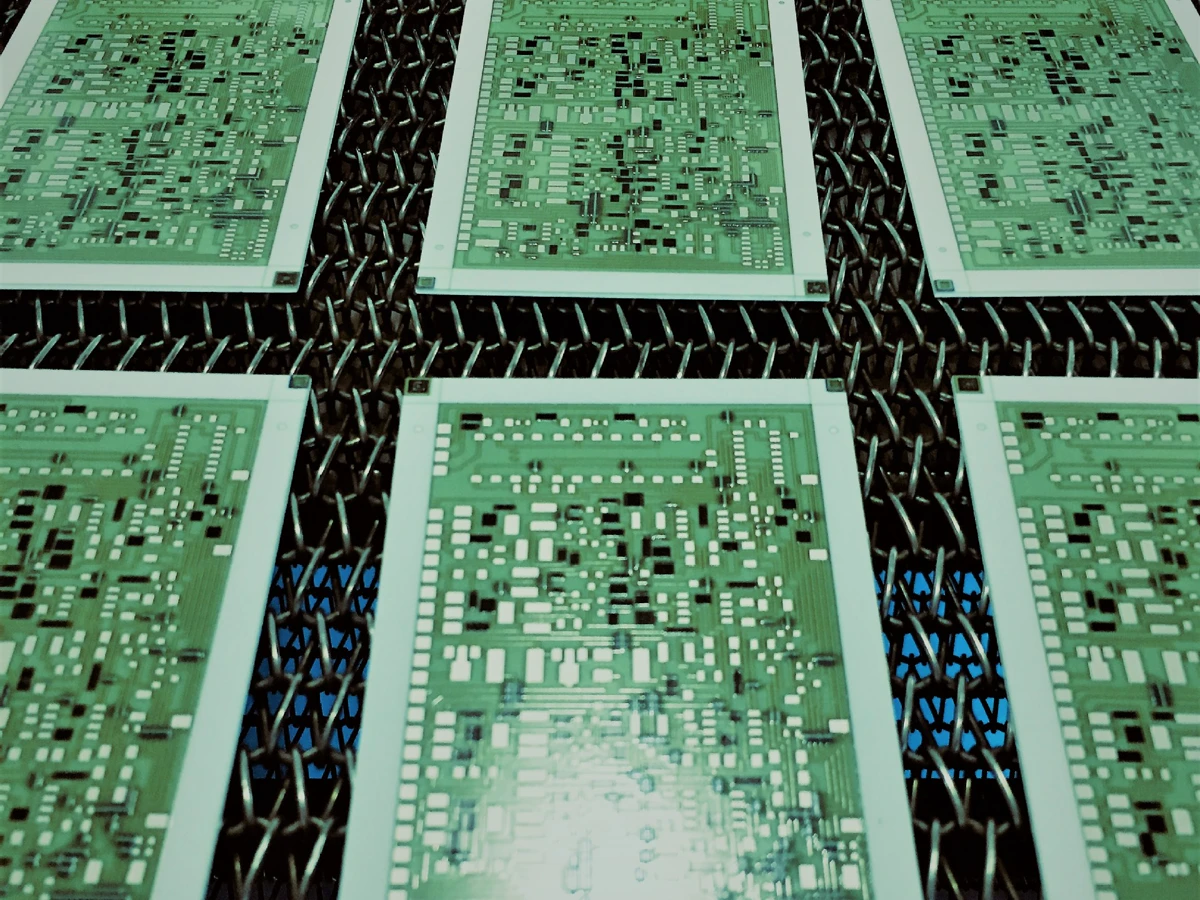
Printed dielectrics can isolate conductor layers, form crossovers, protect sensitive regions and shape electric fields. Material selection must balance insulation, printability, firing compatibility, thermal expansion and later assembly exposure.
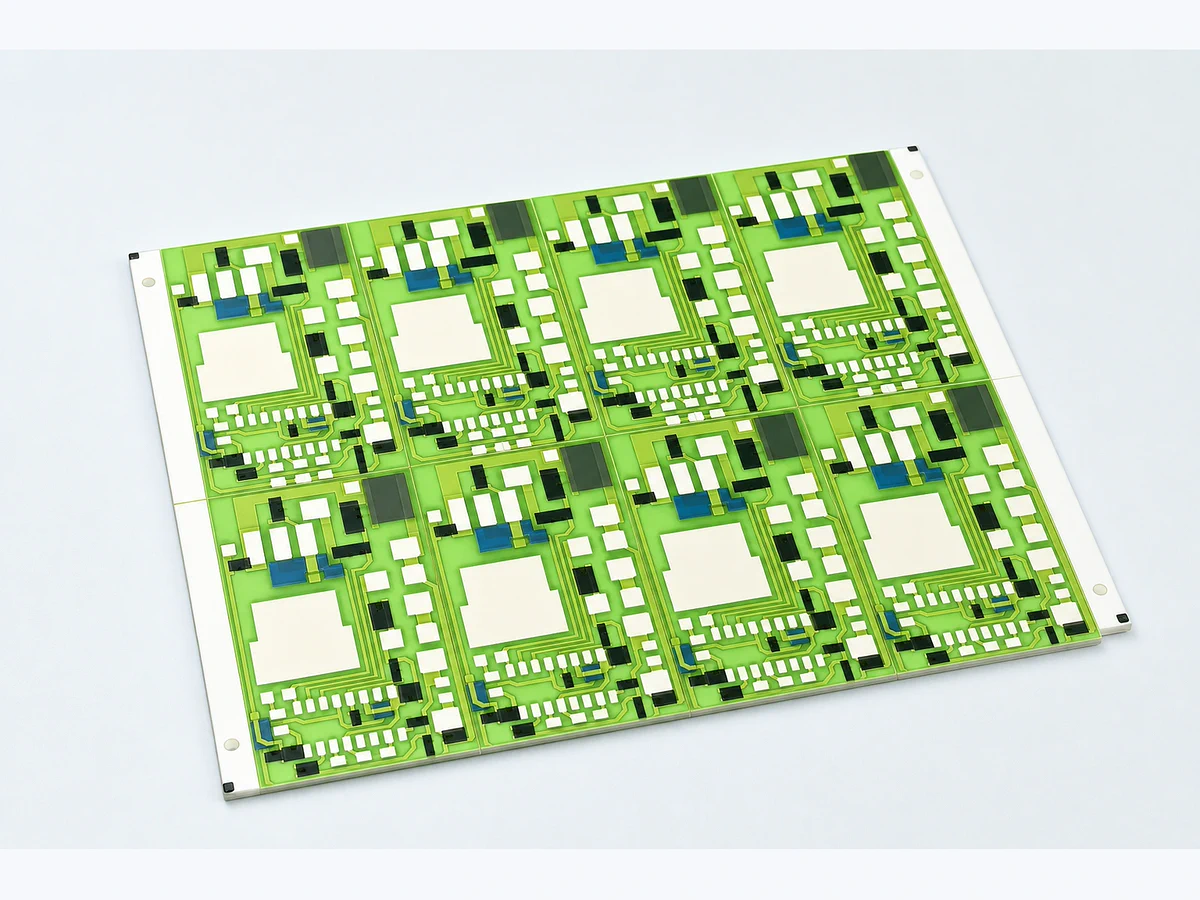
Substrate cleaning is a small process step with a large downstream effect. Residues, particles and handling marks can disturb paste wetting, print definition, adhesion, dielectric isolation and wire-bond or solder yield.
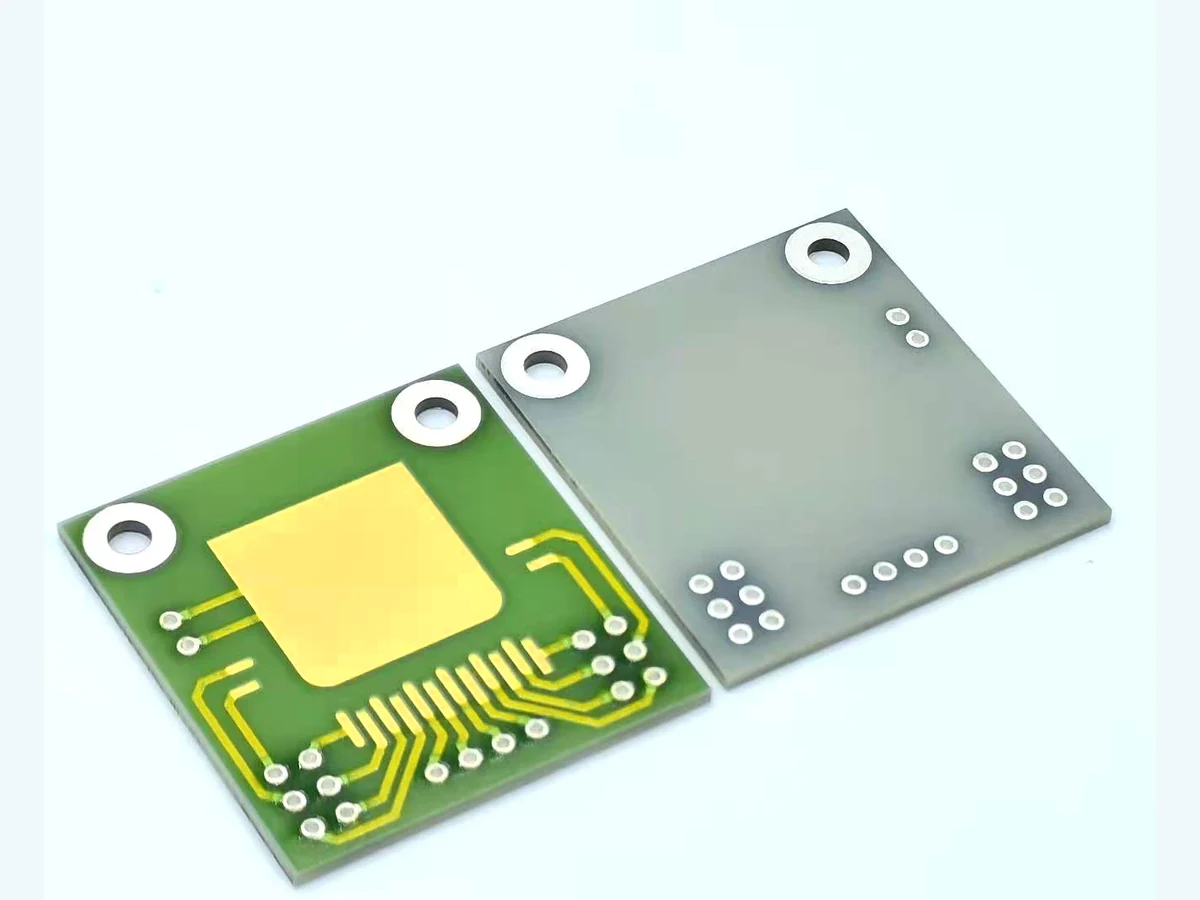
A decision guide for comparing alumina and aluminum nitride by thermal path, electrical insulation, metallization compatibility, mechanical design, supply, and validation needs.
A hold-and-release method for conductive silver paste after extended storage, covering traceability, appearance, mixing response, print coupons, cure, and electrical comparison.
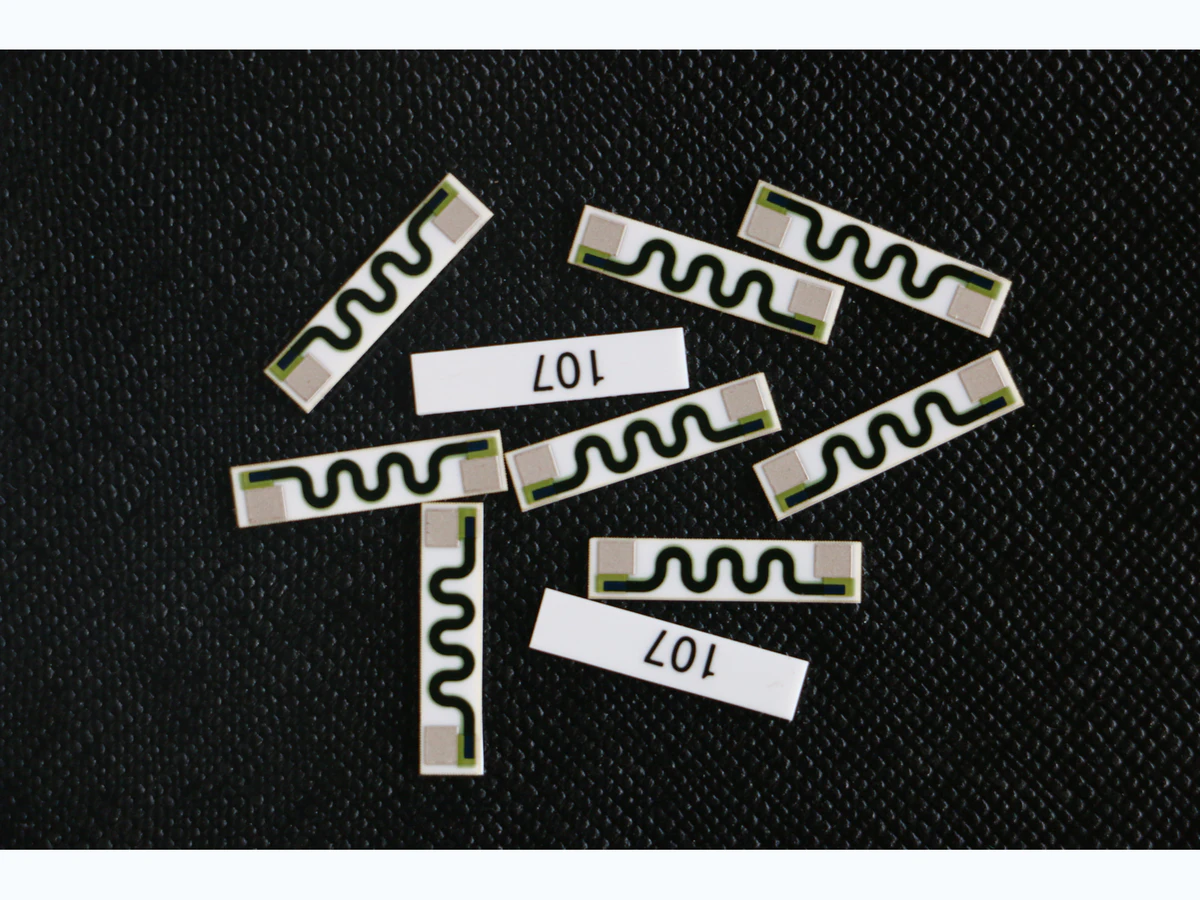
A practical classification of thick-film pastes by electrical function, substrate, thermal route, and final assembly requirement—without treating unlike material systems as interchangeable.
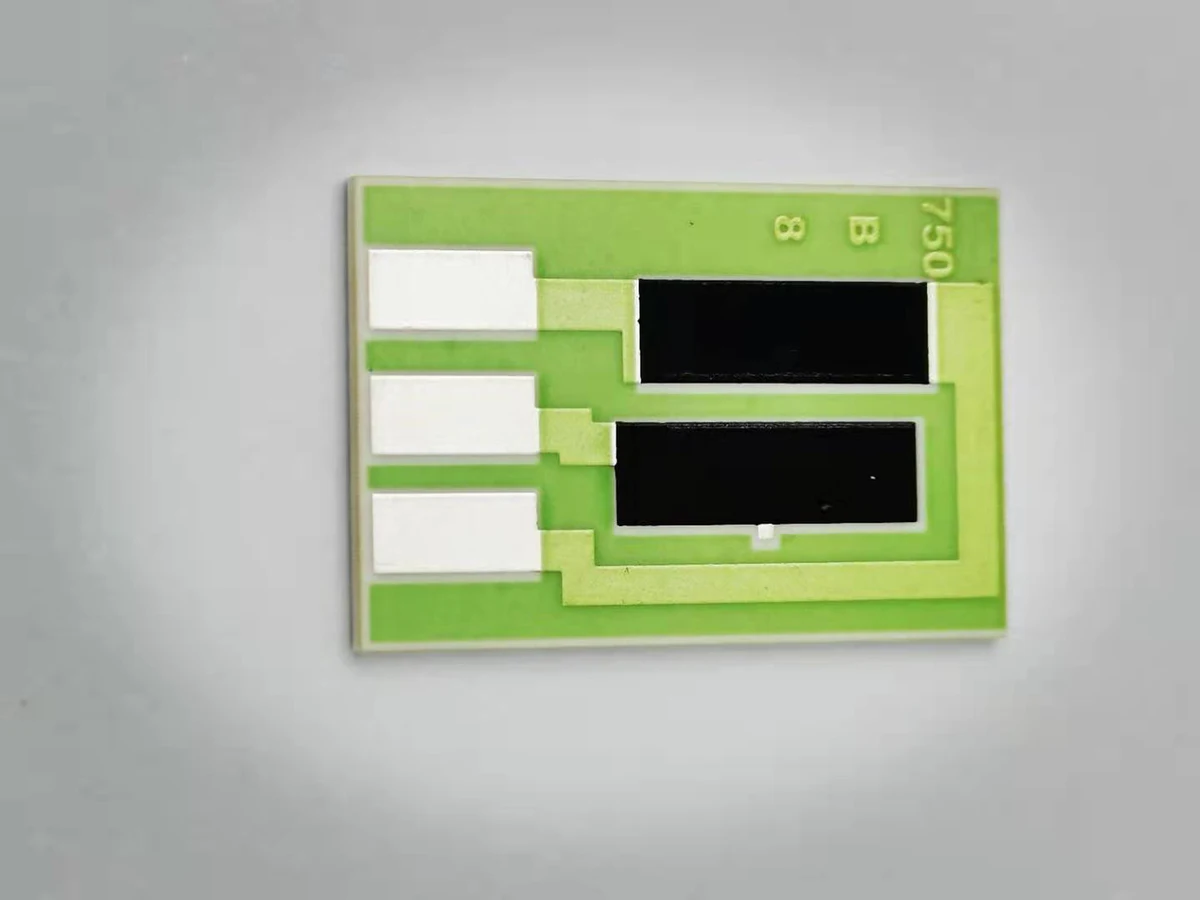
A material-system guide to resistor functional phase, glass, vehicle, paste decade, conductor interfaces, firing, TCR, stability, load, and laser trimming.