
On this page
- Decide what the resistance difference should describe
- Confirm which coupons and firing runs belong in the comparison
- Calculate the within-run difference before averaging
- State the weighting and the limits of the result
- Trace each worksheet value back to a coupon and its readout
- Record the comparison basis for design review
- Questions for the design review
- Prepare an engineering RFQ
- Related engineering resources
Prepared by Chipsimple Engineering Team, Engineering and technical content review
Published online November 18, 2026 · Reviewed November 18, 2026
Decide what the resistance difference should describe
Start with the coupon register and ask how much higher or lower the mean measured resistance of paste B was than that of paste A within the included firing runs. If the design review gives each complete run the same influence, calculate the difference within each run and average those differences. Use B minus A throughout so the sign has a consistent meaning. A positive result means B had the higher mean resistance under the stated comparison.
Pooling all coupons for each paste answers a different question. Each pooled paste mean gives a run influence in proportion to the number of coupons of that paste in the run. When the count distributions differ, the pooled difference can reflect both the within-run differences and the different emphasis each paste mean places on the run baselines. Even when B has higher mean resistance in every complete run, the pooled B-minus-A difference can be negative.
Confirm which coupons and firing runs belong in the comparison
Use the paste comparison when both pastes can legitimately share the agreed firing profile and process conditions. Within a run, compare separate, identified coupons with like layouts and the same named measurement boundaries under comparable readout conditions. If each paste requires a distinct firing profile, frame the question around the paste and process combinations. If A appears only in one run and B only in another, their observed difference cannot separate paste effects from run effects.
A complete run has at least one eligible coupon for each paste. With one comparable A coupon and one comparable B coupon in a run, their readings supply the signed pair difference. With several coupons, the two paste means supply the difference for that run. Assign one resistance value per distinct coupon using the documented readout rule. Repeated readings remain associated with the original coupon and can inform repeatability.
Calculate the within-run difference before averaging
Keep one worksheet row per firing run. For each paste, record the number of distinct eligible coupons. If the count is zero, enter 0 in the count field and leave the mean resistance blank. If the count is positive, sum the resistance values of those coupons, using one value per coupon, and divide by that count. When both counts are positive, subtract the A mean from the B mean and record the difference in ohms. If either or both counts are zero, retain the row, identify each missing paste and leave the difference blank. Average the signed differences over complete runs only. If there are no complete runs, report the equal-run contrast as unavailable.
In the synthetic example, run 1 has an A mean of 100 ohms from one coupon and a B mean of 101 ohms from three coupons. Its difference is 101 − 100 = +1 ohm. Run 2 has an A mean of 110 ohms from three coupons and a B mean of 111 ohms from one coupon. Its difference is 111 − 110 = +1 ohm. Giving both runs equal weight yields (+1 + 1) ÷ 2 = +1 ohm.
Pooling the same synthetic data gives A = (1 × 100 + 3 × 110) ÷ 4 = 107.5 ohms and B = (3 × 101 + 1 × 111) ÷ 4 = 103.5 ohms. The pooled difference is 103.5 − 107.5 = −4 ohms. The A pool puts more weight on the higher-resistance run, while the B pool puts more weight on the lower-resistance run. The two calculations therefore give opposite signs.
| What the register shows | How to calculate | What to retain |
|---|---|---|
| Both pastes have eligible coupons in a run | Calculate each paste mean and subtract A from B. Give the difference one vote in the equal-run average. | Paste means, distinct coupon counts, and signed difference |
| Either paste is absent | Leave the within-run difference blank and omit the run from the average. | Run ID, missing paste, and effect on the scope of the comparison |
| A coupon has repeated readings | Apply the documented readout rule and count the coupon once. | Coupon ID, original readings, and relevant readout conditions |
| The pastes require different firing profiles | Define the alternatives as paste and process combinations. | The profile associated with each alternative |
State the weighting and the limits of the result
Equal run weighting gives a complete run with fewer coupons the same influence as a complete run with more coupons. Retain both counts beside each difference so reviewers can see how many coupons contributed to each mean. If the review calls for a different target, declare the common run weights before comparing the pastes. Apply each run’s weight to its signed difference and report the weights alongside the result.
The equal-run average describes the complete runs included in the calculation. List the incomplete runs, identify the missing paste in each, and state that the result covers only runs represented by both pastes. Keep repeat readings grouped by coupon and preserve their run and measurement conditions. Dispersion from a single set of repeats can characterize repeatability poorly, and pooling repeatability estimates requires a suitable measurement design and assumptions.
Trace each worksheet value back to a coupon and its readout
Reconcile the worksheet counts with the distinct coupon IDs in the register. Confirm that each value is associated with the correct firing run, paste assignment, layout, specimen position, and named terminals. Preserve the original readings and the rule used to obtain one value per coupon. Check that the same subtraction direction appears in every complete row and that the reported average uses the declared weights.
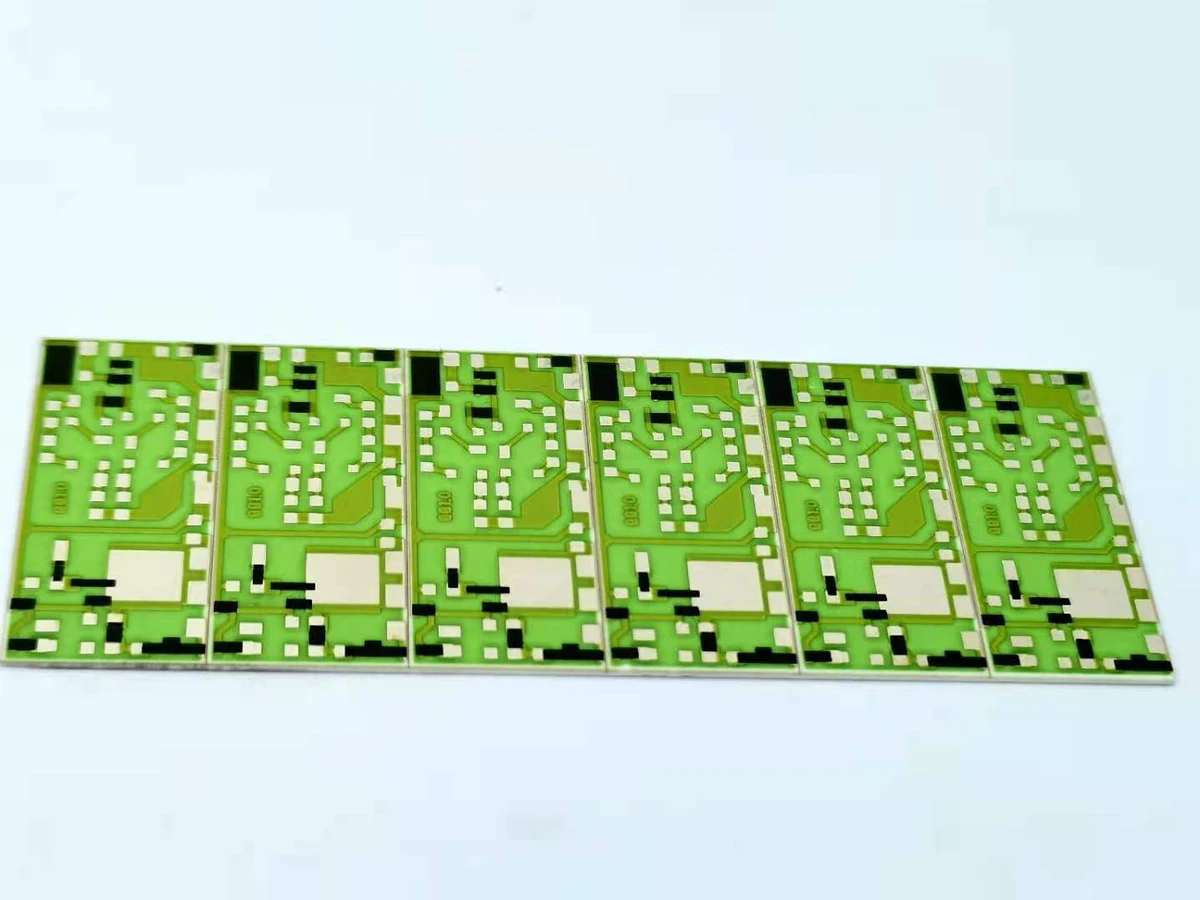
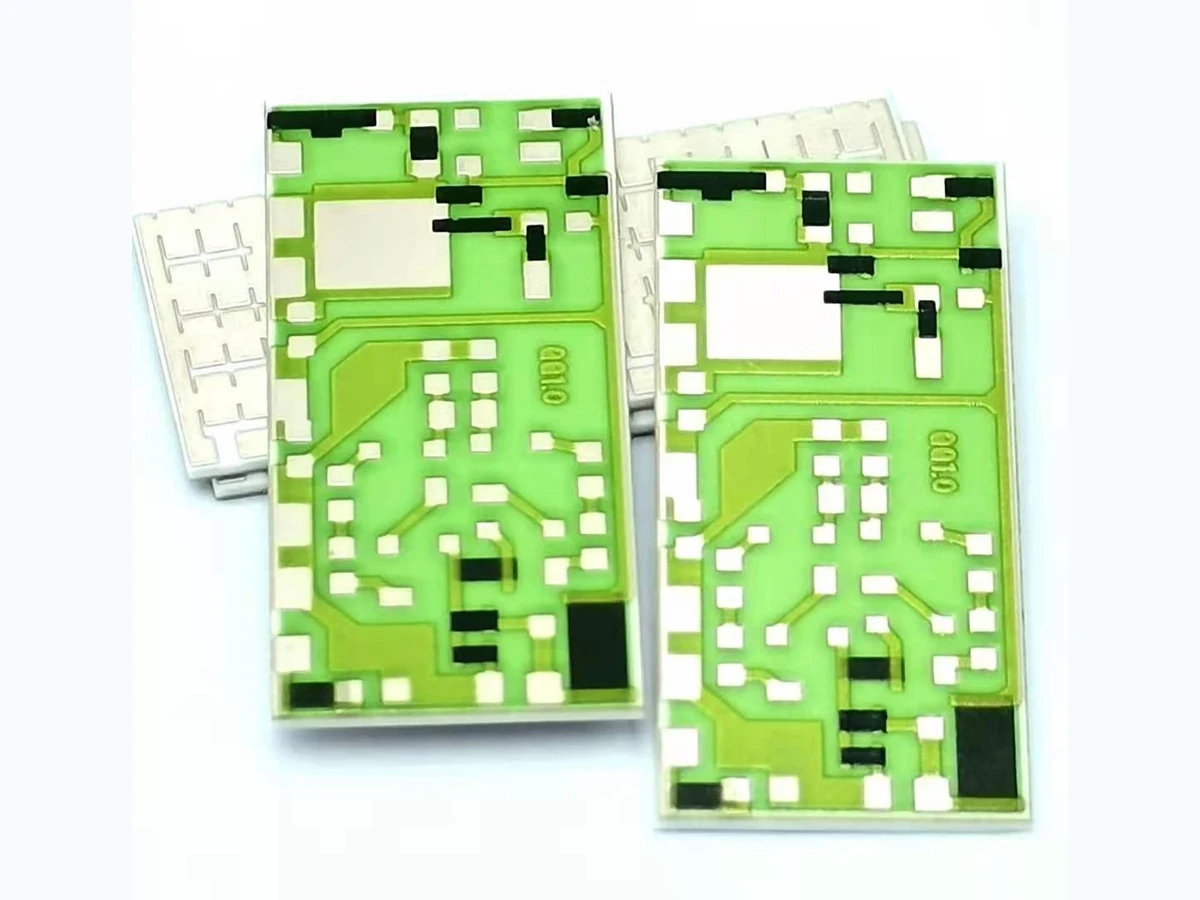
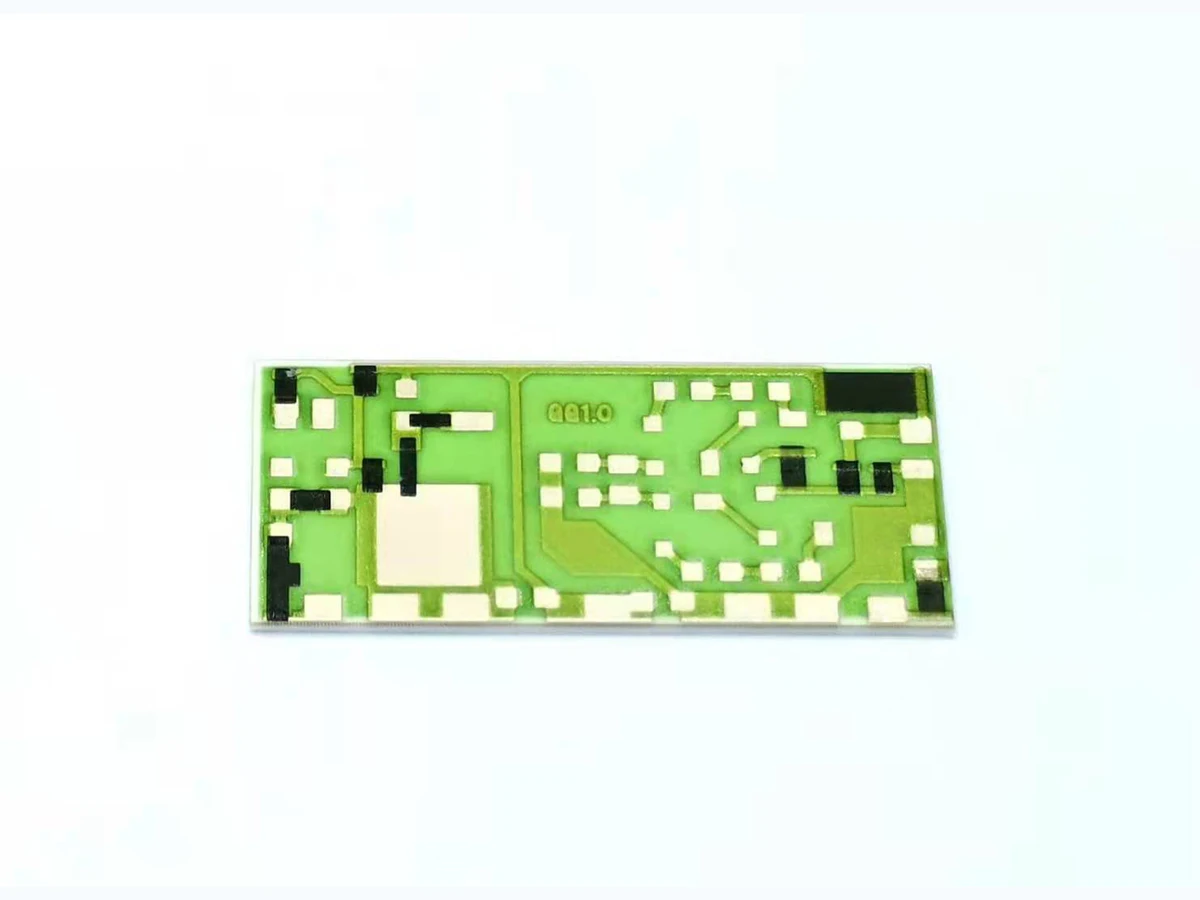
Use the multi-panel overview to define panel-position names in the register. Use the terminal-and-pattern view to identify the endpoints named in the measurement plan. Use the individual specimen view to define orientation labels that can be retained when a coupon is remounted for a repeat reading. These visual references document identity, endpoints, and orientation. The coupon register provides the values used in the calculation.
Record the comparison basis for design review
Put the signed estimate, its resistance unit, the weighting rule, and the number of contributing runs together in the review record. Include the run worksheet so another reviewer can recover both paste means, see the coupon counts behind them, and reproduce the overall difference. If the review also shows pooled paste means, identify them as coupon-weighted summaries and state which result answers the equal-run question.
Retain the planned allocation and the actual specimen register together so reviewers can see which comparisons the firing runs support. For a follow-up comparison under the same agreed conditions, plan for separately identified coupons of both pastes in each run and randomize allocation or order within the run where feasible. Carry the terminal names and coupon readout rule into the next register so the same comparison can be reconstructed.
Questions for the design review
Does an unequal coupon count make a firing run incomplete?
A run is complete for this calculation when both pastes have eligible coupons. Calculate each mean from its own distinct coupon count. The equal-run average gives the resulting difference one vote.
Can an A-only run be paired with a B-only run?
A signed within-run contrast requires both pastes in the same firing run. An A-only run and a B-only run confound the paste comparison with the difference between those runs. Keep both in the register and report their missing counterparts.
What does a positive equal-run result mean?
The average of the included runs’ B-minus-A mean resistance differences is positive. Its unit is ohms, and its interpretation is limited to the included runs and the stated design and readout conditions.
Prepare an engineering RFQ
- Paste alternatives and agreed common firing profile, or the profile assigned to each paste and process combination
- Planned firing-run allocation and distinct coupon counts by paste
- Coupon identification, specimen positions, and orientation labels
- Coupon layout and named terminals defining the measurement boundary
- Readout conditions and rule for assigning one resistance value per distinct coupon
- Signed comparison direction, common run weights, and reporting of incomplete runs
Related engineering resources
- Paste lot and firing profile changes during series selection
- Paired difference and uncertainty in a bridge comparison